
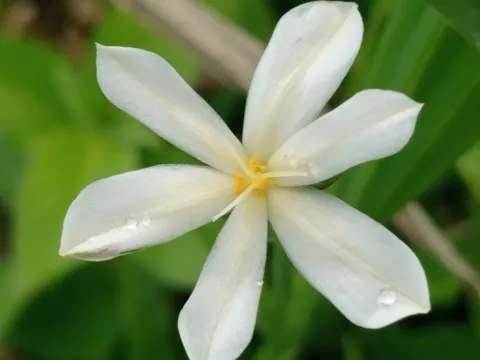
Eleutherine
Eleutherine
Propagation of Eleutherine is primarily achieved through vegetative means, specifically by using daughter bulbs or rhizome division. The optimal time for planting is the beginning of the rainy season, when the soil is warm and adequately moist.
What the section contains

Eleutherine
Bulbs should be planted at a depth of 5 to 8 centimeters, ensuring sufficient spacing for the root system to expand. For commercial farming, a planting scheme of 30 by 30 centimeters is recommended to ensure each plant receives enough nutrients.
Before planting, the material should be treated with an antiseptic solution to prevent bulb rot during the initial weeks of growth. The crop adapts well to open field conditions provided that temperature regimes remain stable.
Proper soil preparation is crucial; the ground must be loose and well-drained. Heavy clay soils should be amended with organic matter like compost to improve aeration and structure, which facilitates better bulb development.
In greenhouse or nursery environments, planting can occur throughout the year, provided there is consistent irrigation and light. This allows for year-round production in tropical or controlled environments.
As a member of the Iridaceae family, Eleutherine is a tropical crop that requires warmth and consistent humidity. It thrives in climates with average temperatures ranging between +22 and +30 degrees Celsius.
The plant prefers sunny locations but can tolerate light shade during peak sunlight hours. Adequate light is essential for the biosynthesis of the secondary metabolites that give the plant its medicinal value.
The soil should be rich in organic content with a slightly acidic to neutral pH (6.0–7.0). Stagnant water is detrimental, so areas prone to flooding or poor drainage must be avoided to prevent root rot.
Agricultural management includes regular weeding and mulching to maintain soil moisture levels. During dry spells, moderate watering is necessary as moisture stress can significantly hinder plant growth.
For intensive cultivation, fertilization with high potassium and phosphorus content is recommended. These nutrients promote the growth of robust bulbs, which are the primary economic part of the crop.
The yield of Eleutherine is highly dependent on fertility and diligent farm management. From planting to harvest, the crop typically takes between 8 to 12 months to reach full maturity.
Under optimal conditions, the crop produces a significant volume of raw material per hectare. It is important to wait until the plant reaches full maturity before harvesting, as the concentration of medicinal compounds peaks at this stage.
A standard planting density of 10-12 plants per square meter is usually aimed at achieving consistent production. The weight of individual bulbs can vary, but healthy plants produce dense and large specimens under proper care.
Hilling the plants during the growing phase promotes the formation of daughter bulbs, which directly contributes to higher overall yields. Signs of maturity include the yellowing and natural senescence of the aerial parts.
Quality control is vital; harvested bulbs should be dense, healthy, and free from pests. Once harvested, the raw material must undergo proper processing and drying to be ready for the pharmaceutical market.
The main threat to Eleutherine is fungal disease, particularly rot caused by excessive soil moisture and poor drainage. Root system decay is the most frequent issue and can lead to significant crop failure.
Pests like soil nematodes and mites can damage the bulbs, creating entry points for secondary pathogens. Regular monitoring of the plantation allows for early detection and mitigation of these issues.
Fungicides can be used to control outbreaks, but cultural practices like crop rotation and using healthy starting materials are preferred as the primary line of defense. Preventive measures are always more effective than reactive treatments.
Foliar pests are less common but can weaken the plant if left unchecked. When necessary, biological insecticides are recommended to maintain the quality of the harvested parts without chemical residues.
Maintaining a weed-free environment is essential, as weeds often act as hosts for viruses and insects. Good agricultural sanitation helps maintain high plant vigor and reduces the need for heavy chemical intervention.
Harvesting Eleutherine begins after the aerial parts have withered, signaling that the plant has entered a state of dormancy and that energy has been sequestered in the bulbs.
Bulbs are extracted from the soil carefully using forks or manual tools to avoid physical damage to the skin. Any mechanical injury can significantly increase the risk of decay during post-harvest storage.
After excavation, the bulbs must be cleaned and sorted. Damaged or diseased specimens should be discarded immediately to prevent contamination of the healthy stock during the drying process.
Drying is a critical post-harvest step. Bulbs should be dried in shaded, well-ventilated areas or in controlled-temperature dryers until they reach a stable moisture content for long-term storage.
Storage should be in cool, dark, and dry conditions to ensure the long-term preservation of the medicinal compounds. Properly handled and dried material can be stored successfully until it is ready for further processing.