
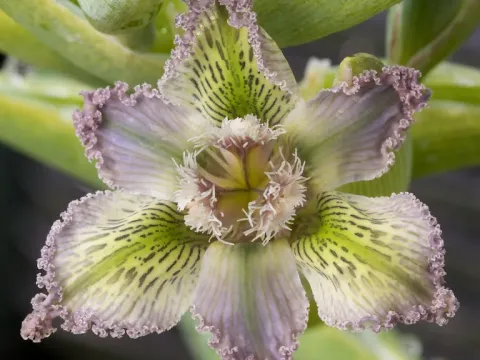
Ferraria
Ferraria
Planting of Ferraria corms should take place in spring once the soil has warmed up significantly, usually from late April to May. Ensuring the danger of frost has passed is vital for the successful establishment of this heat-loving plant.
What the section contains


Ferraria
In regions with cooler climates, starting corms indoors in pots during March is highly recommended. This method allows the plant to develop a strong root system before being moved outdoors for the summer season.
Corms should be buried at a depth of 5 to 8 centimeters in well-drained soil. Spacing of 15 to 20 centimeters is necessary to prevent overcrowding and ensure adequate airflow, which reduces humidity around the foliage.
For container cultivation, use pots with excellent drainage holes. A potting mix consisting of loamy soil and sand will provide the best environment, mimicking the natural conditions of their native habitat.
Once the foliage begins to wither in autumn, corms must be carefully lifted. They should be stored in a cool, dry place throughout the winter, with temperatures maintained around 10–12 degrees Celsius until planting resumes.
Ferraria is a genus of perennial herbs belonging to the Iridaceae family, native to Southern Africa. The plants are prized for their unique, fringed, and often intricately patterned flowers that display high aesthetic value.
These plants thrive in full sun exposure and require well-protected areas from strong winds. A site that receives at least 6 to 8 hours of direct sunlight is optimal for promoting healthy flower production.
Soil requirements are strict: the substrate must be light, porous, and exhibit neutral to slightly acidic pH levels. Soil waterlogging is the primary cause of failure, so incorporating gravel or sand for drainage is mandatory.
Watering should be balanced; keep the soil moist but allow it to dry out slightly between waterings. Overwatering is highly detrimental and frequently leads to the rotting of the corm's base.
Fertilization should be handled with care, focusing on low-nitrogen mineral feeds during the active growth period. Excessive nutrients can lead to weak, leggy stems that lack the structural integrity to support the heavy blooms.
Fungal diseases, such as botrytis and fusarium, represent the most significant threat to Ferraria. These pathogens often thrive in overly damp, poorly ventilated soil conditions, causing decay in the corms.
Preventative measures include treating corms with fungicides before planting and ensuring that irrigation water does not settle around the plant base. Sanitation is key to maintaining a healthy collection.
Spider mites and thrips are the most frequent pests to infest these plants. These insects can cause yellowing and spotting on the leaves, ultimately weakening the plant's overall photosynthetic ability.
Chemical control using systemic insecticides or horticultural oils is effective against pest outbreaks. Always perform treatments during the cooler parts of the day to avoid leaf burn caused by the sun.
Gastropods, such as slugs and snails, may attack tender new growth during rainy spells. Keeping the surrounding area free of excessive organic mulch and using physical barriers can effectively mitigate this risk.