
Diplarrena
Diplarrena moraea
Description
Growing requirements
Diplarrena (Diplarrena moraea) is a perennial herbaceous plant belonging to the Iridaceae family. It is native to southeastern Australia and Tasmania, where it thrives in diverse environments ranging from open woodlands to damp grasslands.
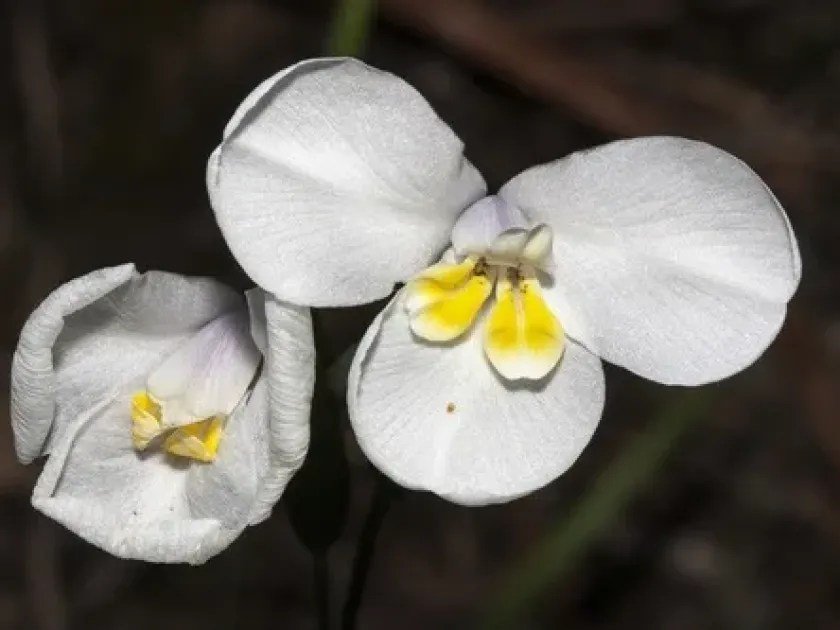
Botanically, the plant is characterized by its iris-like foliage and distinct white flowers marked with purple and yellow accents. It typically grows in clumps, forming dense basal rosettes that remain green throughout most of the growing season.
The plant requires well-drained, fertile soil to ensure healthy development. While it prefers moist conditions, it is crucial to avoid waterlogging, which can cause significant stress to the root system and inhibit plant vigor.
Regarding climate, Diplarrena adapts well to temperate regions with mild winters. In terms of agricultural practices, it benefits from partial shade in hotter climates, although it can tolerate full sun if the soil moisture levels are consistently maintained.
Cultivation also involves periodic division of clumps to maintain plant health and encourage rejuvenation. Regular application of organic mulch helps retain soil moisture and suppresses weeds, contributing to a more stable microclimate for the plant's roots.
Main diseases and pests
Diplarrena is generally resistant to many common plant diseases, but it remains susceptible to fungal root rots when exposed to excessive moisture or poor aeration. Maintaining a sterile growing environment during propagation is key to avoiding these issues.
Pests such as snails and slugs can pose a challenge, particularly in humid garden settings, as they target the young, tender foliage. Implementing physical barriers or organic pest control methods is often sufficient to keep these threats under management.