
Diplarrena latifolia
Diplarrena latifolia
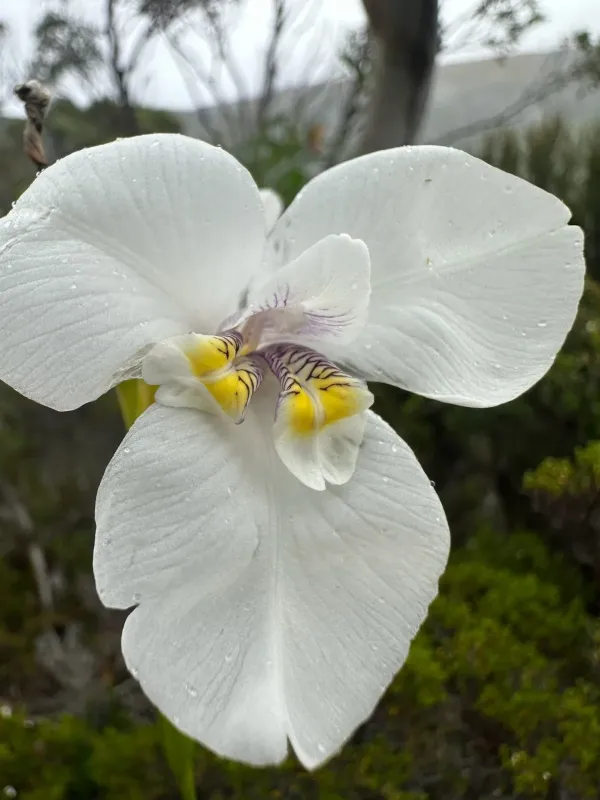
Description
Sowing dates
Propagation of Diplarrena latifolia is most effectively achieved through the division of rhizomes, which should be performed in early spring during the onset of active growth.
If sowing seeds, it is recommended to do so in autumn to ensure the seeds undergo a natural period of cold stratification, which significantly improves germination rates.
When transplanting divisions, ensure the planting hole is wide enough to accommodate the roots without bending, and cover them with a layer of loose, nutrient-rich soil.
Spacing between plants should be approximately 30 to 40 centimeters to allow for adequate air circulation and prevent competition for nutrients between mature clumps.
Post-planting, the soil must be kept consistently moist but not waterlogged to establish a strong root system before the onset of the summer heat.
Growing requirements
Diplarrena latifolia belongs to the Iridaceae family and is native to the cooler, moist regions of Tasmania, which dictates its preference for specific environmental conditions.
The plant thrives in well-drained, humus-rich soils with a slightly acidic to neutral pH, mirroring the conditions of its natural forest-edge habitat.
In terms of light exposure, this species prefers dappled shade or partial sun, as direct and intense sunlight can lead to leaf scorching during hot summer months.
Regular but moderate irrigation is essential; while the plant enjoys moisture, it is highly sensitive to stagnant water which can lead to rapid rhizome degradation.
An annual application of organic mulch around the base of the plant helps maintain soil temperature and moisture consistency throughout the growing season.
Main diseases and pests
The primary concern for Diplarrena latifolia cultivators is the development of root and crown rot, typically triggered by improper drainage or excessive autumn rainfall.
Proper site selection is the best defense; planting in raised beds or areas with naturally sloping terrain can significantly reduce the risk of water stagnation.
Slugs and snails are frequent visitors that feed on the succulent foliage; regular monitoring and manual removal are often required in damp garden environments.
Fungal leaf spot may occur if air humidity is high and circulation is poor, which can be mitigated by thinning out overcrowded clumps during the dormancy period.
Using preventive fungicides or biological controls can help manage susceptibility to diseases during unusually wet springs, ensuring the plant remains vigorous.