
Streptocarpus hybrid
Streptocarpus x hybridus Voss
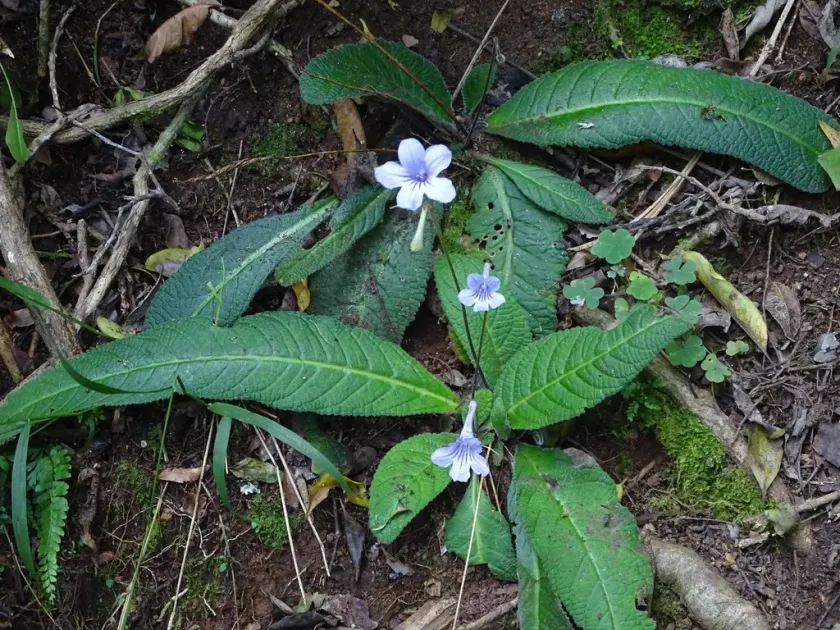
Description
Growing requirements
Streptocarpus hybrid is a distinguished member of the Gesneriaceae family, recognized for its vibrant, funnel-shaped flowers and lush, textured foliage. Originating from the mountainous regions of South Africa, these hybrids have been bred to thrive in controlled environments, making them iconic indoor plants.
Cultural requirements emphasize the need for bright, indirect light, as direct sunlight often scorches the leaves and weakens the plant's structural integrity. A temperate environment with consistent temperatures between 18°C and 24°C is ideal for maintaining continuous growth throughout the active season.
The substrate must be highly porous and well-draining, typically consisting of peat moss, perlite, and a small amount of charcoal to ensure root health. Streptocarpus plants are sensitive to moisture extremes, necessitating a potting mix that retains enough hydration without becoming waterlogged.
Watering practices are critical for the long-term vitality of the crop; water should be applied directly to the soil to avoid wetting the sensitive crown. Proper humidity levels should be maintained through indirect methods, such as water trays or humidifiers, rather than direct misting of the foliage.
In agricultural and commercial settings, this crop is propagated primarily for the ornamental market. Growers focus on breeding for traits like compact growth habits, flower color intensity, and increased disease resistance, ensuring that these plants remain competitive in the indoor gardening industry.
Main diseases and pests
Common pests affecting these plants include mealybugs, aphids, and spider mites, which can proliferate rapidly if the air is too dry or circulation is poor. Integrated pest management, including the use of neem oil or targeted insecticides, is recommended to manage infestations effectively.
Pathogenic threats include crown rot and Botrytis, often triggered by overwatering or poor ventilation around the base of the plant. Maintaining hygiene by removing spent flowers and dead leaves, combined with proper airflow, serves as the primary line of defense against these fungal issues.