
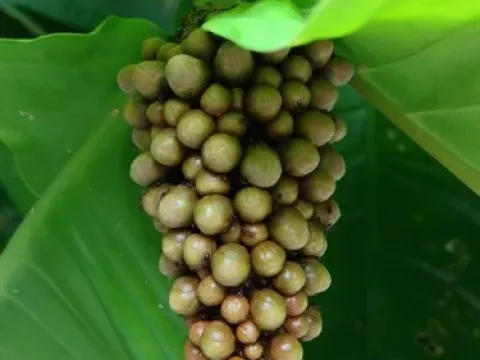
Utania
Utania
Sowing of Utania is typically carried out in the spring season, once soil temperatures reach a stable 10–12 degrees Celsius at the seeding depth. Choosing the right moment is crucial to avoid late frosts that could damage emerging seedlings.
What the section contains


Utania
Seeds should be planted at a depth of 2–3 centimeters into well-prepared, loose soil. Ensuring optimal contact between the seed and the soil particles is essential for consistent and uniform germination across the field.
The spacing for sowing depends on the intended production goals, with a standard row spacing of 30–45 centimeters being the most common practice. This configuration simplifies future maintenance and inter-row cultivation.
In regions with cool, extended springs, growers often utilize temporary row covers or low tunnels to create a warmer microclimate. This practice helps accelerate initial growth and improves overall crop uniformity.
After sowing, the soil should be lightly rolled to ensure optimal moisture retention in the top layer. This step is vital to guarantee that the seeds have the water availability required for successful emergence.
Utania requires full sun exposure and performs best in open locations that are shielded from strong winds. Abundant light is necessary to support biomass accumulation and the development of healthy plant structures.
The ideal soil for this crop is well-drained, fertile, and has a neutral or slightly acidic pH level. Avoiding waterlogged or heavy clay areas is critical, as stagnant moisture can lead to root system decay.
Maintaining consistent moisture levels through scheduled irrigation is necessary, especially during the active growth and budding phases. Water stress can significantly hinder plant development and reduce yield quality.
The optimal temperature range for vegetative growth is between 18 and 25 degrees Celsius. Rapid shifts in temperature can trigger plant stress, making precise management of field conditions important for crop success.
Fertilization programs should focus on balanced NPK ratios, with a specific emphasis on phosphorus and potassium to strengthen cell walls. This enhances the plant's overall resilience to environmental stressors.
Yield potential of Utania is highly dependent on adherence to best agronomic practices and the inherent fertility of the soil. Utilizing advanced cultivation technologies helps maximize the marketable output per hectare.
During the fruit or biomass formation phase, the crop requires optimized nutrient availability. Keeping the field free from weeds is essential to ensure that the crop has full access to necessary resources.
Regular maintenance, including inter-row weeding and soil loosening, promotes root health and vigorous vegetative development. These practices directly contribute to higher overall productivity of the crop.
Average yields vary by climatic zone; however, growers using modern hybrids and intensive management techniques consistently achieve stable and profitable harvest results.
Monitoring biomass development at critical stages allows agronomists to adjust nutrient applications promptly. Such precision helps to realize the full genetic potential of the selected crop variety.
Fungal diseases are the primary threat to Utania, particularly in conditions of high humidity or poor field drainage. Preventing root-related issues requires careful monitoring and the use of preventative fungicide treatments when necessary.
Sucking insects represent the most common pest pressure, as they damage foliage and tender stems. Their feeding activities can cause leaf deformation and reduce the plant's photosynthetic efficiency.
Preventative strategies should prioritize crop rotation and the use of certified, disease-free seed stock. Removing and disposing of any infected plant material helps prevent the spread of localized outbreaks.
Application of insecticides must strictly follow safety regulations, including observance of pre-harvest intervals. Alternating chemical modes of action is advised to mitigate the risk of pest resistance.
- Powdery mildew — characterized by white fungal growth on foliage.
- Aphids — common pests that target the growing points of the plant.
- Root rot — triggered by excessive soil moisture and poor drainage.
- Spider mites — proliferate rapidly in hot and dry environmental conditions.
Harvesting should occur at the peak of technical maturity, when the crop has reached its optimal size and quality parameters. Delaying the harvest can lead to over-ripening and a decline in shelf life.
It is best to conduct the harvest during dry weather to minimize moisture-related issues and prevent fungal contamination during storage. Mid-morning is ideal once the dew has evaporated.
When using mechanical harvesters, equipment must be calibrated to avoid damaging the crop. Maintaining the integrity of the plant material is essential for high-quality post-harvest processing.
Post-harvest handling involves prompt sorting and, if necessary, cooling to maintain freshness. Proper sorting in the field ensures that only high-quality products are sent for further distribution.
Transportation should utilize well-ventilated containers to ensure continuous airflow. Maintaining cool conditions during transit is critical for preserving quality from the farm to the consumer.