
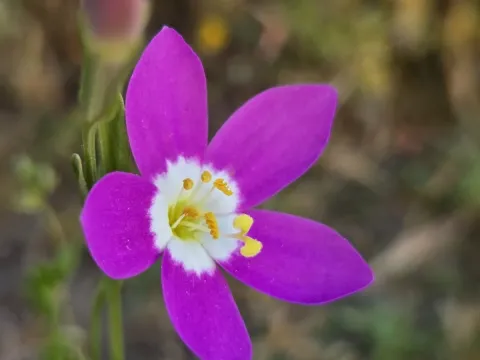
Zeltnera
Zeltnera
Zeltnera is a genus of annual or biennial herbaceous plants belonging to the Gentianaceae family. Formerly classified within the Centaurium genus, it has been established as a distinct group based on morphological and molecular studies.
What the section contains

Zeltnera
Sowing Zeltnera seeds requires precision due to their very small size. The seeds should be surface-sown on a fine, well-draining substrate, as they require light to trigger germination. Covering them with a thin layer of sand helps keep them in place without inhibiting light access.
The optimal time for sowing is during the early spring once soil temperatures have stabilized. It is critical to maintain consistent moisture throughout the germination period, as the delicate seeds are highly susceptible to drying out.
Proper density control is essential when seedlings emerge to prevent overcrowding. Thinning out the rows ensures that each plant receives sufficient space, light, and nutrients for robust development during the early stages of growth.
The soil should be kept lightly moist until the seedlings establish a stable root system. Using a fine mist for irrigation prevents washing away the small seeds and protects the young plants from physical damage.
Zeltnera plants thrive in open, sunny locations with well-drained, nutrient-moderate soil. They are particularly adapted to environments that provide ample sunlight, making them unsuitable for shaded or woodland garden conditions.
The soil should have a neutral to slightly alkaline pH. In their natural habitat, these plants are often found in damp meadows, saline marshes, or along riverbanks, which indicates a preference for soil that stays moist but never waterlogged.
Climate requirements include a warm growing season. While the plants are hardy to some degree, they perform best in regions with moderate temperatures and reliable moisture, avoiding the extremes of drought or intense, stagnant humidity.
Fertilization should be managed carefully to avoid excessive vegetative growth. Over-fertilization can weaken the stem structure and decrease the plant's natural resistance to environmental stress and pests.
Regular weeding is a mandatory part of the cultivation process, as Zeltnera is a relatively slow grower in its early stages and can be easily outcompeted by aggressive weeds. Maintaining a clean growing area is the primary cultural requirement.
Fungal pathogens represent the most significant threat to Zeltnera, particularly powdery mildew, which develops in humid, poorly ventilated conditions. Promoting good air circulation around the plants is the most effective preventative measure.
Pests like aphids and thrips can cause significant damage to the flowering spikes. Integrated Pest Management (IPM) practices, including the use of natural predators or insecticidal soaps, are recommended to maintain plant health.
Root rots are frequently linked to poor drainage or overwatering. Ensuring the soil structure allows for rapid water percolation is vital to prevent these lethal infections, especially during cooler, wetter periods of the season.
Monitoring for signs of viral infections is important, as these can be transmitted by sap-sucking insects. Any symptomatic plants should be identified and removed from the plot promptly to prevent the spread of the virus to healthy specimens.
Implementing a strict crop rotation schedule helps reduce the buildup of soil-borne pathogens. Following Zeltnera with non-related plant species helps break the cycle of disease and soil degradation in the growing area.