
Utania nervosa
Utania nervosa
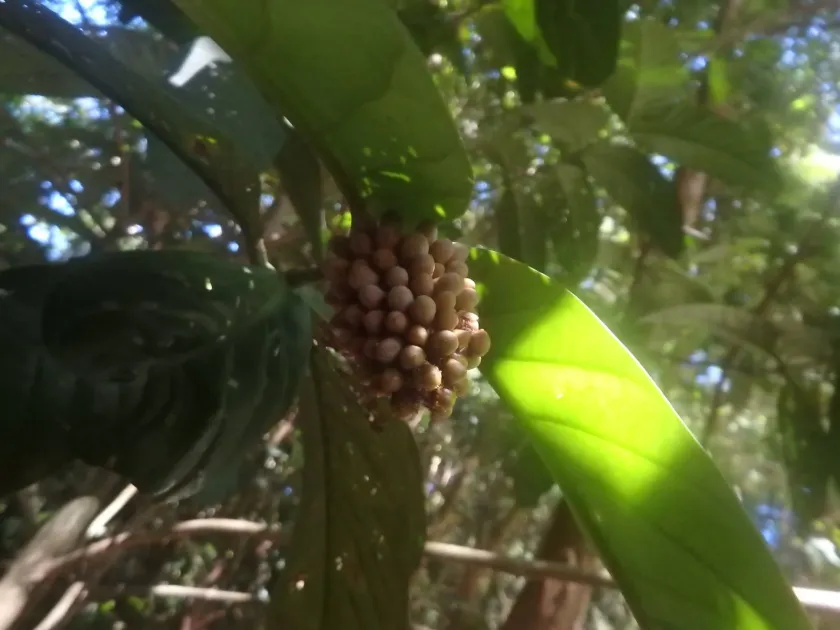
Description
Growing requirements
Utania nervosa is a significant woody plant belonging to the Loganiaceae family. Native to the tropical regions of Southeast Asia, this species thrives in humid forest environments. It is well-adapted to high-humidity climates with minimal seasonal variation.
To ensure healthy growth, the plant requires consistent temperatures typically found in tropical zones. It is sensitive to frost and should be cultivated in areas where temperatures remain well above the 15°C threshold throughout the year. Partial shade is generally preferred over direct, harsh sunlight.
The soil requirements for Utania nervosa involve a well-draining, nutrient-rich substrate. A slightly acidic to neutral pH level is ideal for nutrient uptake. It is crucial to prevent waterlogging, as the root system is susceptible to decay if exposed to excessive moisture for prolonged periods.
Agricultural management involves regular irrigation and the application of organic mulch to retain soil moisture. Nutrient management should focus on balanced NPK ratios to support steady vegetative growth. Careful pruning is recommended to maintain a manageable plant shape and encourage airflow.
The economic value of this plant spans from its potential use in traditional medicine to specialized woodworking applications. Its biological characteristics make it an interesting subject for agroforestry projects in tropical climates.
Main diseases and pests
Fungal diseases constitute the primary threat to Utania nervosa, especially in high-humidity or poorly ventilated cultivation zones. Leaf spots and stem rot are common symptoms of improper environmental management.
Pests such as scale insects and spider mites may infest the foliage, particularly if the plant is under water stress. Regular inspections of leaf undersides are necessary to detect early stages of infestation.
Cultural control methods, such as maintaining appropriate spacing between individual trees, play a vital role in preventing the rapid spread of diseases. Clearing fallen debris under the canopy helps reduce fungal spore load.
Biological control agents can be highly effective in managing pest populations without the need for synthetic chemicals. Maintaining strong plant vigor through proper fertilization helps the tree naturally resist most minor infections.
In cases of severe infestation, targeted applications of systemic fungicides or horticultural oils should be utilized. Always monitor the effectiveness of any treatment to avoid disrupting the local beneficial insect population.