
Tibetan gentian
Gentiana tibetica
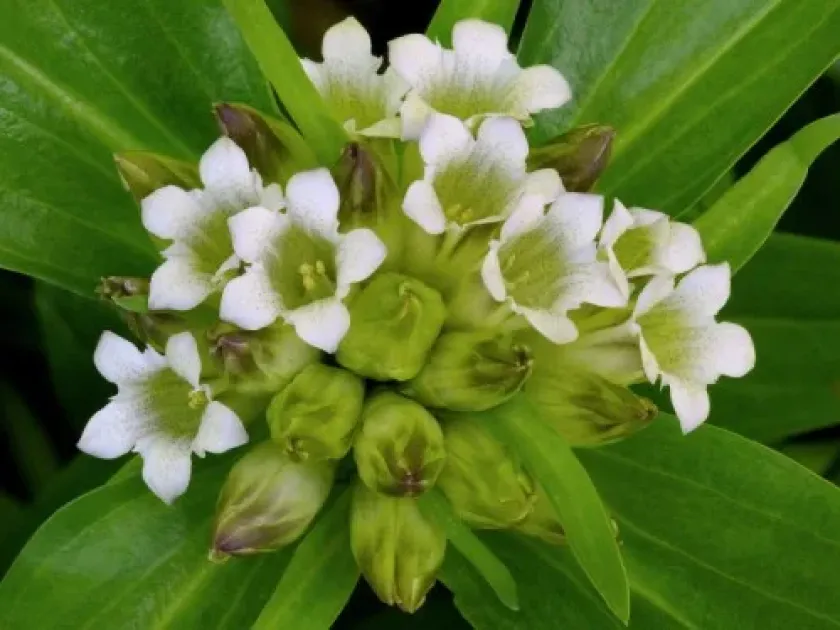
Description
Sowing dates
Sowing Tibetan gentian is typically performed in late autumn to ensure natural stratification of the seeds. Because the seeds are tiny and possess a dormant embryo, exposure to winter cold is essential for achieving optimal germination rates in the spring.
If sowing in the spring is necessary, seeds must undergo cold stratification in a refrigerator for at least two months at temperatures between +2°C and +4°C. Without this step, the seeds often fail to break dormancy, leading to poor crop establishment.
The seeds should be sown on the surface of the soil rather than buried deeply. A thin covering of fine, sterile sand is sufficient to keep them in place while ensuring they receive enough light, which is often a trigger for germination in alpine species.
Maintaining constant but gentle moisture is critical during the germination phase. The soil surface must not dry out, as young seedlings are extremely sensitive to desiccation and heat during their early growth stages.
Using a seedbed or a nursery tray provides better control over the environment. Once the seedlings have reached a sufficient size, they can be transplanted into the field, ensuring minimal disruption to their root systems.
Growing requirements
Tibetan gentian belongs to the Gentianaceae family and is inherently adapted to cool, alpine environments. It thrives in conditions that mimic high-altitude mountain meadows, characterized by temperate days and cool nights.
The soil must be well-drained, porous, and neutral to slightly acidic in terms of pH. Waterlogging is the primary cause of mortality in this crop, as the roots are susceptible to decay if kept in stagnant, wet conditions for extended periods.
While the plant requires sufficient sunlight for vigorous development, it does not appreciate extreme heat or direct, scorching summer sun. Providing partial shade or a location with a north-facing orientation can be beneficial in warmer climates.
Humidity and air circulation are vital for plant health. In areas with low rainfall, irrigation should be focused at the base of the plant to prevent wetting the foliage, which helps to reduce the risk of fungal infections.
Organic matter in the form of decomposed leaf mold or compost is preferred for soil enrichment. The plant does not require high levels of synthetic fertilization, as excessive nitrogen can lead to rapid, weak growth that is more prone to disease.
Yield
The economic value of Tibetan gentian lies in its roots, which are harvested for their therapeutic compounds, specifically bitter glycosides. The production cycle is relatively long, with harvest usually occurring in the third to fifth year of growth.
Yield depends heavily on soil depth and planting density. Under optimal conditions, growers can expect a sustainable harvest of root biomass once the plant has fully matured and developed a robust root system.
As a slow-growing species, yield cannot be significantly accelerated through aggressive agricultural practices. Patience is required, as the biological accumulation of medicinal compounds is tied to the natural growth rhythm of the plant.
Mulching the cultivation area with gravel or small stones can help maintain soil moisture and discourage weeds, which improves root development and yield efficiency. This mimics the plant's native habitat and creates a stable environment for the roots.
The final yield is calculated based on the weight of the dried root material. Proper post-harvest handling, including cleaning and controlled drying, is essential to ensure that the yield meets commercial and medicinal quality standards.
Main diseases and pests
Gastropods such as slugs and snails are significant pests, particularly for young plants. Their feeding can cause severe damage to the foliage, which stunts the plant's growth and leaves it vulnerable to secondary infections.
Root rot, often caused by fungi like Phytophthora, is a common threat in poorly drained or waterlogged soils. This disease is difficult to treat once established, making prevention through site selection and drainage management the primary defense.
Aphids can infest the plant, particularly during the flowering season, drawing sap from the stems and weakening the plant. Regular monitoring is necessary, and if populations explode, appropriate insecticidal soap or biological controls should be used.
Rust diseases might appear on the leaves in periods of high humidity and poor airflow. Managing plant spacing and ensuring good ventilation is a proactive way to minimize the spread of such fungal threats.
- Slugs and snails
- Root rot
- Aphids
- Leaf rust
Harvesting
Harvesting takes place in the autumn, once the aerial parts of the plant begin to wither and die back. This timing ensures that the energy and active compounds are concentrated within the root system rather than in the leaves or flowers.
The roots are carefully extracted from the soil to avoid damage or breakage, which could affect the quality of the raw material. Any broken roots are more susceptible to oxidation and quality loss during the drying process.
Post-extraction, the roots are thoroughly cleaned of all soil and debris, rinsed with clean water, and sorted for any damaged or decayed sections that must be discarded to maintain the integrity of the batch.
Drying is performed in controlled conditions at temperatures below 45°C. Excessive heat must be avoided, as it degrades the sensitive compounds within the gentian root, rendering the final product less effective for its intended uses.
Properly dried roots are stored in airtight, moisture-proof containers in a cool, dark location. This protects the product from environmental degradation, ensuring a long shelf life and consistent quality for market supply.