
Utania racemosa
Utania racemosa
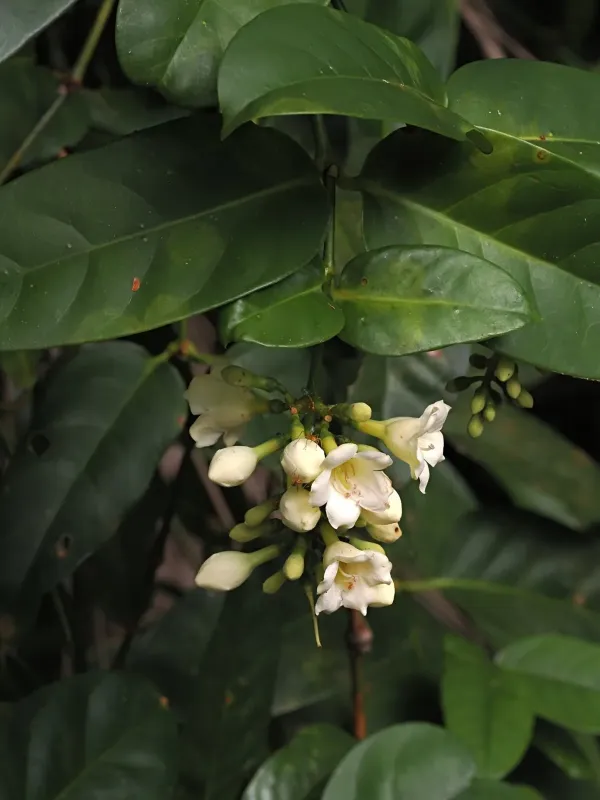
Description
Growing requirements
Utania racemosa belongs to the Loganiaceae family. This evergreen woody species is native to the tropical rainforests of Southeast Asia, thriving in high-humidity environments characterized by consistent temperatures.
The optimal climate for this crop includes temperatures ranging from +22°C to +30°C. Exposure to cold stress or temperatures below +15°C can cause severe physiological damage and stunted development.
Soil quality is paramount for this culture. It requires well-drained, nutrient-rich soil with a slightly acidic pH level. High organic content helps the plant sustain its vegetative growth throughout the year.
Hydration management is critical as the plant requires constant soil moisture without the risk of waterlogging. Effective drainage systems are essential to prevent root asphyxiation in containerized or field-grown specimens.
Lighting requirements are specific: the plant performs best under filtered or dappled sunlight. Direct tropical sun exposure can scorch the foliage, necessitating the use of shade cloths in nursery operations.
Main diseases and pests
Root rot pathogens represent the most significant threat to Utania racemosa. These diseases often emerge due to improper irrigation practices or poor soil aeration, leading to rapid decay of the vascular system.
Mealybugs are frequently observed pests that colonize terminal shoots. Their feeding causes leaf distortion and promotes the growth of sooty mold, which severely hinders the plant's photosynthetic capacity.
Spider mites are common in greenhouse environments where humidity levels may fluctuate. These pests weaken the plant by extracting cell sap, resulting in yellowing and senescence of the leaves.
Nematode infestations can occur in sandy soils, targeting the root structure and limiting the plant's ability to uptake water and essential minerals from the substrate.
Integrated pest management (IPM) is strongly recommended for large-scale production. This includes routine monitoring, biological control agents, and precise application of targeted pesticides when economic thresholds are reached.