
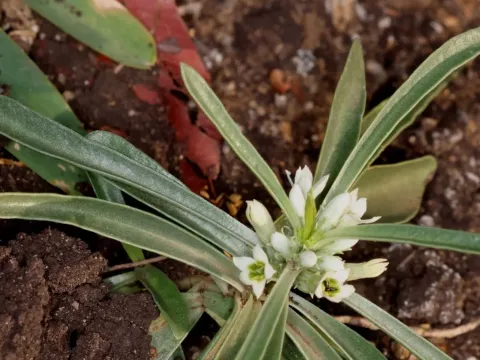
Enicostema
Enicostema
Enicostema (specifically the genus Enicostema within the Gentianaceae family) is an important medicinal herb. The sowing process begins with selecting high-quality seeds, which are ideally planted during the early spring or onset of the rainy season to ensure optimal germination rates.
What the section contains


Enicostema
Seeds are tiny and should be sown near the surface of the soil, requiring sunlight for proper activation. Maintaining consistent moisture in the seedbed is essential during the initial 10-14 days to prevent the drying out of delicate sprouts.
In field production, row spacing of approximately 30-40 cm is standard to ensure adequate air circulation and to facilitate mechanical or manual weeding throughout the vegetative cycle of the plant.
Farmers often prepare the soil with organic matter to increase porosity, which aids in root penetration. As the seedlings develop, they should be thinned to avoid overcrowding, which can lead to competition for light and nutrients.
Crop establishment is relatively slow; however, once the root system is well-developed, the plant demonstrates improved resilience to environmental stresses and begins rapid leaf production.
Enicostema is a heat-loving plant, thriving best in tropical and subtropical regions. It requires full sunlight exposure for at least 8 hours a day to maximize the synthesis of bioactive compounds within its tissues.
The ideal soil profile consists of well-drained loamy or sandy-loam textures with a slightly acidic to neutral pH level. Proper drainage is crucial because the plant is highly susceptible to root diseases caused by waterlogged soil conditions.
Watering requirements are moderate; while the plant can withstand short periods of dryness once established, consistent soil moisture during the growing season significantly increases the total biomass yield per hectare.
Temperature range is a vital factor, with the plant performing best between 25°C and 35°C. Exposure to frost or prolonged cold temperatures will cause severe damage and potentially result in the total loss of the crop.
Regular monitoring of soil nutrient levels is recommended. While the plant is not a heavy feeder, balanced application of nitrogen, phosphorus, and potassium supports healthy foliage development and robust stems.
The primary threats to Enicostema include soil-borne fungal pathogens such as Fusarium or Rhizoctonia species. These thrive in conditions of high humidity, poor soil drainage, and excessive density of planting.
Pests like aphids and whiteflies frequently target the tender shoots. Early intervention is necessary, preferably using non-toxic biopesticides or integrated pest management strategies to protect the medicinal value of the harvest.
Weed competition is a significant challenge, especially in the first month post-sowing. Aggressive weeds can easily shade out young Enicostema plants, leading to stunted growth and reduced concentrations of secondary metabolites.
Disease outbreaks are often exacerbated by poor air circulation. Proper row management and thinning can mitigate these risks by allowing the foliage to dry more quickly after rainfall or irrigation.
Crop rotation is strongly advised every two years to break the lifecycle of specific soil pathogens and to maintain soil fertility, ensuring long-term sustainability of the medicinal crop production.
Harvesting should be timed precisely with the plant's flowering phase, which is when the therapeutic properties are at their peak. This timing ensures the highest quality of the final medicinal product.
The standard harvesting technique involves cutting the aerial parts of the plant, leaving approximately 5-10 cm of stem above the ground. This method allows the plant to potentially recover and produce a secondary yield if the climate permits.
Immediate processing is required following the harvest. The collected biomass should be transported to a drying facility as quickly as possible to prevent degradation or contamination by molds.
Drying must be conducted in the shade at controlled temperatures (ideally between 35°C and 45°C). Fast drying in the dark helps preserve the green color of the leaves and the integrity of its essential chemical compounds.
Finally, the dried product should be stored in cool, dry, and dark conditions. Proper packaging, such as breathable sacks or sealed containers, is essential to prevent moisture absorption and ensure a long shelf life for the dried herb.