
Clusius gentian
Gentiana clusii
Description
Sowing dates
Sowing seeds of Gentiana clusii is best performed in late autumn, which allows for natural stratification essential for the germination of this alpine species.
When starting seeds in containers, indoor pre-chilling or stratification in a refrigerator for several weeks is necessary to mimic winter conditions.
The growing medium must be porous, consisting of a mix of potting soil, coarse sand, and grit to ensure excellent drainage and prevent seed rot.
Seeds should be sown on the surface or covered very thinly with grit, as light is beneficial for the germination process of this hardy perennial.
Maintain consistent moisture and a cool environment after sowing, as temperatures above 20 degrees Celsius can inhibit the germination process significantly.
Growing requirements
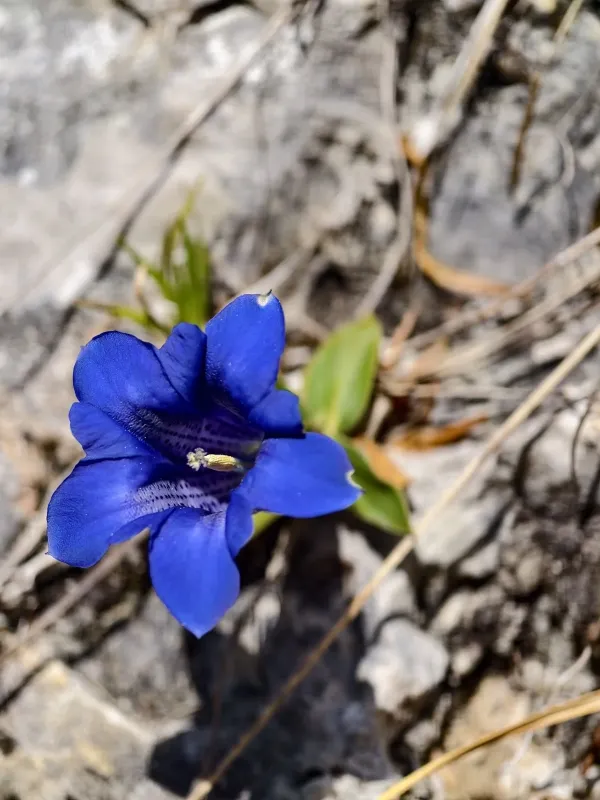
Clusius gentian is a perennial herb of the Gentianaceae family, characterized by its stunning large, deep blue trumpet-shaped flowers.
The plant is native to the mountains of Europe, where it thrives in well-drained, lime-rich soils typical of limestone alpine meadows and rocky crevices.
In cultivation, it requires a sunny position, though in warmer climates, it appreciates some protection from the intense afternoon sun.
Proper water management is critical; the soil should remain moist throughout the growing season but must never become waterlogged, as it is prone to root damage.
This species is highly valued for its compact growth habit, making it an excellent candidate for rock gardens, trough planters, and high-altitude display beds.
Main diseases and pests
Snails and slugs represent the most significant threat to Clusius gentian, as they are attracted to the succulent-like foliage during damp spring weather.
Excessive humidity combined with poor drainage can lead to root rot, which is often irreversible if the plant has already begun to wilt severely.
Aphids can occasionally infest the flower buds and tender stems, requiring manual removal or the application of mild, plant-safe insecticidal solutions.
Fungal diseases like leaf spot or mildews can occur if there is inadequate air circulation around the rosettes, particularly in humid or overcrowded conditions.
Regular monitoring and keeping the surrounding area free of debris will help mitigate most common threats and ensure the longevity of your gentian plants.