
Enicostema verticillatum
Enicostema verticillatum
Description
Sowing dates
Enicostema verticillatum, a member of the Gentianaceae family, is a perennial herb that is primarily propagated through seeds. In its native tropical habitats, sowing typically commences at the start of the wet season when soil temperatures are conducive to germination.
For commercial cultivation, seeds are sown in well-prepared, nutrient-rich substrates within greenhouse environments to ensure high germination rates. It is critical to maintain consistent moisture levels during the early stages, as the seeds are sensitive to desiccation.
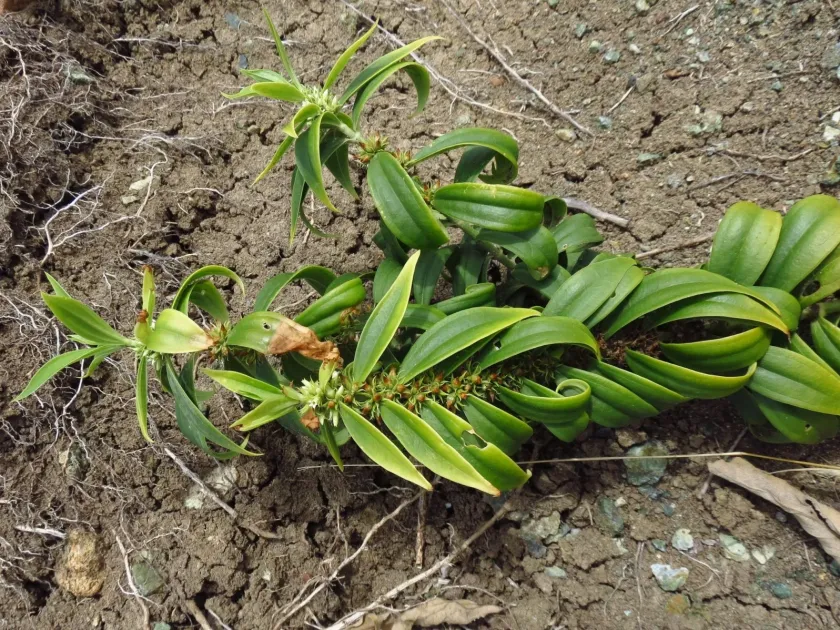
When sowing in containers, proper spacing is essential to ensure that the whorled leaves, characteristic of this species, have enough room to develop without excessive overlapping, which can inhibit healthy growth.
The preparation of the sowing substrate involves fine tilling and the incorporation of organic matter. This ensures that the young plants have immediate access to nutrients while benefiting from an environment that allows for proper root development.
Transplanting seedlings to open fields should only occur when temperatures are consistently warm, as this species is highly sensitive to cold and chill, which can lead to significant stunting or mortality.
Growing requirements
Enicostema verticillatum requires significant solar exposure to thrive and synthesize its medicinal compounds. Ideal growing locations are open fields or plots where the plant can receive full sunlight for the majority of the day.
The soil should be well-drained with a slightly acidic to neutral pH. Sandy loam or rich, loamy soils that hold enough moisture without becoming waterlogged are preferred, as standing water is detrimental to the root system.
Temperature management is crucial, with the optimal range being between 22 and 30 degrees Celsius. In environments where temperatures drop significantly, the plant enters a period of dormancy or may succumb to cold stress.
Watering practices must be balanced; while the plant enjoys consistent moisture during the vegetative phase, it requires less water during the maturation of the seeds to maximize the concentration of therapeutic components.
Nutrient supplementation with organic fertilizers is recommended during the peak of the growing season. Excessive use of nitrogenous fertilizers should be avoided, as it can encourage vegetative growth at the expense of medicinal quality.
Main diseases and pests
Fungal pathogens are the most significant threat to Enicostema verticillatum, particularly in areas with high humidity and poor air circulation. Diseases like powdery mildew can quickly damage the foliage, reducing both the aesthetic and pharmacological value of the crop.
Insect pests, including aphids and spider mites, pose a persistent threat during hot and dry spells. These pests colonize the stems and underside of the leaves, causing severe stress to the plant and potential yield loss.
Integrated pest management strategies are highly recommended to minimize the need for chemical interventions. This includes the use of biological control agents and maintaining clean cultivation practices to prevent pest outbreaks.
Crop rotation is essential for disease suppression. Avoiding fields previously planted with other Gentianaceae or Solanaceae crops helps to prevent the build-up of host-specific pathogens in the soil.
Regular inspection of the crop for early signs of infestation allows for targeted interventions, preventing the need for broad-spectrum pesticides that could compromise the medicinal safety of the harvest.
Harvesting
The harvest of Enicostema verticillatum is timed specifically during the full flowering phase. It is at this growth stage that the concentration of glycosides and flavonoids is at its peak, providing the highest quality raw material for therapeutic use.
Harvesting involves cutting the stems approximately 5 to 10 centimeters above the soil level. This method allows the plant to remain healthy and, under proper care, can facilitate re-growth for secondary harvesting during the same season.
Once harvested, the plant material must be cleaned of any dirt or impurities and moved immediately to a drying area. Air-drying in shaded, well-ventilated rooms is the preferred method to prevent the degradation of heat-sensitive active ingredients.
Proper storage is critical for maintaining the potency of the dried herb. The material should be kept in airtight containers in a cool, dark place to protect it from moisture and UV light, which are the primary causes of chemical degradation.
Each harvested batch should be documented and labeled with the date of collection. This record-keeping is vital for quality control and ensures that the herbal products provided to manufacturers meet the necessary pharmacological standards.