
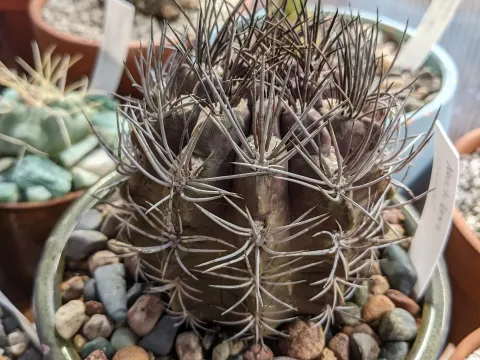
Neoporteria
Neoporteria
The propagation of Neoporteria is typically achieved through seeds, as these cacti do not readily produce offsets. Seeds should be sown in the spring using a sterile, fast-draining substrate rich in sand and perlite.
What the section contains


Neoporteria
Surface sow the seeds without covering them deeply, then cover the container with glass or plastic to maintain humidity. Germination generally occurs at temperatures between 22 and 25 degrees Celsius.
Regular ventilation of the seedling tray is critical to prevent damping-off disease and fungal infections. Once the seedlings develop their first spines, they can be carefully transplanted into individual pots.
Grafting is an alternative propagation technique, often utilized for rare or slow-growing specimens. By grafting onto a robust stock like Echinopsis, growth rates can be significantly accelerated.
After transplanting young cacti, it is essential to provide light shading and avoid immediate exposure to intense sunlight until the root system has stabilized.
Neoporteria belongs to the Cactaceae family and originates from the arid regions of Chile. To thrive in cultivation, these plants require intense, direct sunlight for the majority of the day.
The soil requirements focus on exceptional drainage. A mix of loam, coarse sand, and grit is ideal to prevent water retention, which can be fatal for the delicate root systems of this genus.
Watering should be performed only when the soil medium is entirely dry. During the winter dormancy period, watering must be suspended almost entirely, and the plant should be kept in a cool, bright location.
The plant prefers cool, well-ventilated environments. High temperatures during the day are acceptable, but consistent airflow is necessary to mimic the natural desert conditions where these cacti grow.
Fertilization should be kept to a minimum, using low-nitrogen formulas exclusively during the active growing season. Over-fertilization can result in weak, spindly growth that is susceptible to pests.
The spider mite is the most common pest associated with Neoporteria, especially in low-humidity environments. They cause discolored patches on the epidermis and can quickly damage the plant's skin.
Mealybugs are another common threat, often hiding deep within the dense spine clusters. Regular inspection is necessary to catch infestations early before they compromise the health of the cactus.
Root rot is the most lethal condition for this species, caused almost exclusively by overwatering or poor drainage. Once the roots begin to decay, the plant is difficult to save without major surgery.
Integrated pest management, including the use of systemic insecticides and proper quarantine of new plants, is recommended to keep collections healthy and free of infestations.
Fungal infections can occasionally cause rust-colored spots on the stem. This usually happens in poorly ventilated areas with high moisture, necessitating improved air circulation and the use of fungicides.