
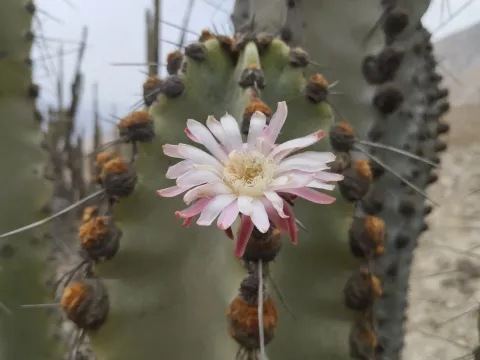
Neoraimondia
Neoraimondia
Neoraimondia is a genus belonging to the Cactaceae family. These are impressive tree-like columnar cacti that are known for their massive growth habits and rigid structural anatomy, often dominating the landscape in their native habitats.
What the section contains


Neoraimondia
The origin of this culture is traced back to the arid and rugged terrains of Peru. These plants have evolved to thrive in high-altitude environments and coastal deserts, demonstrating remarkable resilience to extreme solar radiation and scarcity of water.
For agricultural success, the plants require a highly porous, mineral-based soil medium. Soil compaction must be avoided at all costs, as the roots are extremely sensitive to low oxygen levels and waterlogging, which often leads to rapid decay.
Light intensity is the most critical environmental factor for Neoraimondia. In cultivation, they must be placed in full sun conditions to maintain the density and structural integrity of their columnar stems, preventing etiolation.
Temperature management requires a clear distinction between the active growing season and the dormant winter period. During dormancy, keeping the plant in a dry, cool environment is essential to prepare the culture for the next growing cycle and potential flowering.
The primary threats to Neoraimondia are fungal infections caused by excessive soil moisture and poor drainage. These pathogens target the vascular system of the cactus, often leading to internal rot that is difficult to detect until significant damage is done.
Pests such as mealybugs and spider mites are constant threats to the health of the plant. These insects hide in the deep areoles and spines of the cactus, making manual removal difficult and necessitating the use of systemic insecticides.
Implementing a strict hygiene program is the best defense against infestations. Sterilizing the potting medium and ensuring that newly introduced plants are quarantined helps maintain the health of the entire collection or plantation.
Root aphids pose a hidden danger, as they feed on the root system under the soil surface. Regular inspection of the root ball during repotting is necessary to detect and treat these pests before they compromise the entire plant.
Environmental stress, specifically the lack of airflow, can lead to physiological disorders that manifest as skin blemishes or surface necrosis. Keeping a clean and ventilated growing area is fundamental to the long-term vitality of the crop.