
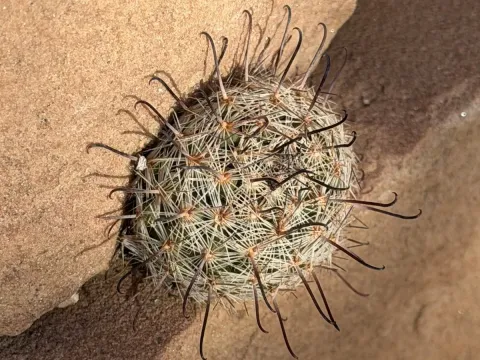
Neolloydia
Neolloydia
Neolloydia is a genus of distinct, small-bodied cacti within the Cactaceae family. Native to the arid deserts of Mexico and the southern United States, these plants have evolved to survive in harsh, high-exposure environments where water is scarce.
What the section contains


Neolloydia
For successful cultivation, Neolloydia requires intense sunlight exposure for most of the day. Placing them in a sunny location is critical to maintaining their compact, globular shape and stimulating the production of their vibrant, characteristic flowers during the blooming season.
The substrate must mimic their natural rocky habitat, prioritizing exceptional drainage. A standard commercial potting mix is often too organic; therefore, a mixture of 50-70% mineral components like coarse sand, pumice, or perlite is highly recommended to ensure rapid water runoff.
Temperature management is a key factor for this genus. They thrive in warm conditions during the active growth period, while a distinct cooling period during winter is mandatory to induce dormancy. Keeping them between 10°C and 12°C in winter helps prevent premature growth.
Watering practices must be disciplined and sparse. As a general rule, irrigation should only occur when the soil is completely dry throughout the entire pot. Overwatering during winter or in low-light conditions is the fastest way to cause lethal root rot.
Root rot is the primary physiological threat to Neolloydia. This condition is almost exclusively caused by improper watering, where water accumulates at the base of the plant, leading to tissue necrosis and the rapid decline of the cactus structure.
Common agricultural pests for this genus include mealybugs, which lodge themselves deep within the woolly areas or between the spines. They feed on the sap, causing growth inhibition and leaving the plant vulnerable to secondary fungal or bacterial infections.
Spider mites are another frequent nuisance, particularly in indoor environments with stagnant air and low humidity. Their feeding habits cause localized chlorosis and can eventually scar the skin of the cactus permanently, affecting its overall health and vitality.
Managing these threats requires a proactive approach. Using appropriate systemic insecticides should be done with caution, following manufacturer labels strictly. Physical removal of mealybugs with a cotton swab dipped in alcohol is often effective for minor infestations.
Maintaining a well-ventilated growing area and ensuring that no moisture sits on the stem surface are vital prophylactic measures. Regular monitoring remains the best defense against pests and diseases in any cactus collection.