
Neoporteria subgibbosa
Neoporteria subgibbosa
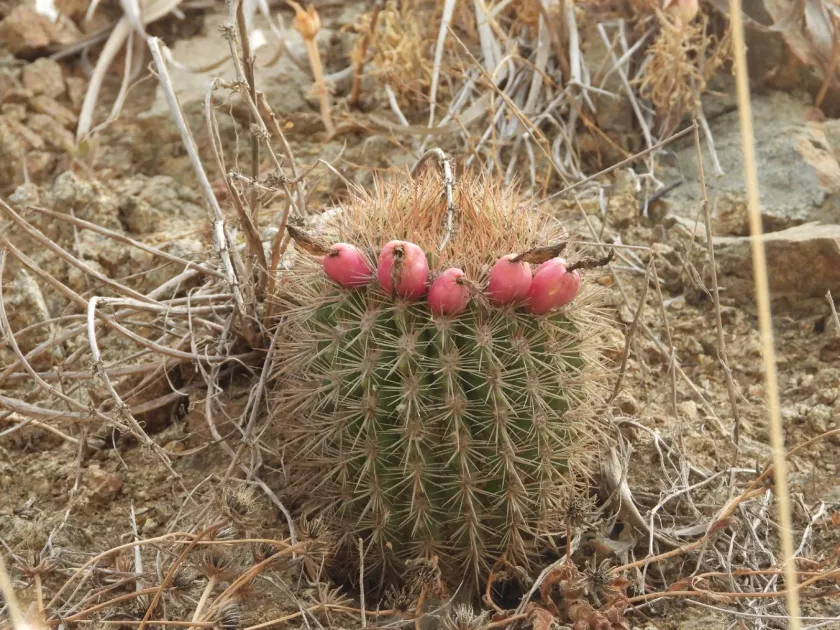
Description
Sowing dates
Sowing seeds of Neoporteria subgibbosa is best performed during the spring, when the increasing daylight provides optimal conditions for germination and early seedling growth.
The growing medium must be highly porous and sterile to ensure healthy development. A mixture of well-drained loamy soil, coarse sand, and crushed charcoal is highly recommended.
Seeds should be sown on the surface and pressed lightly into the moist substrate. It is crucial not to bury them deep, as exposure to light is necessary for successful germination.
Maintain a stable temperature between 22 and 25 degrees Celsius. Covering the tray with clear plastic or glass helps create a humid microclimate essential for the first few weeks.
Once the seedlings have established, it is important to remove the cover gradually. This helps the young cacti adapt to lower humidity and higher light intensity levels.
Growing requirements
Neoporteria subgibbosa is a member of the Cactaceae family, native to the arid regions of Chile. It is prized by collectors for its unique stem structure and dense, sharp spines.
The plant requires full sun exposure to maintain its compact shape. Inadequate light will lead to etiolation, where the cactus stretches and loses its natural, healthy aesthetic.
Watering should be done cautiously, as this species is very susceptible to root rot. Allow the soil to dry out completely between waterings, especially during the active growth season.
The soil should have excellent drainage properties, as standing water is the primary cause of failure in cultivation. Always use pots with drainage holes to allow excess moisture to escape.
During winter dormancy, the plant should be kept in a cool, bright location with temperatures around 8–10 degrees Celsius. Watering should be minimized to encourage spring blooms.
Main diseases and pests
Root rot is the most serious threat to Neoporteria subgibbosa, typically caused by overwatering or soil that remains damp for too long, preventing the roots from breathing.
Spider mites are a common pest that thrives in dry, stagnant air. They feed on the plant's surface, causing unsightly discolorations and potentially damaging the cactus skin.
Mealybugs are another common problem, hiding between the spines and along the stem. They appear as small, fluffy white masses and can weaken the plant by sucking its sap.
Treatment involves using appropriate systemic insecticides or acaricides. Regular inspections are vital to catch these infestations before they spread significantly across the plant.
Proper sanitation, good airflow, and consistent light exposure are the best preventive measures against both fungal infections and various succulent-loving insect pests.