
Neolloydia conoidea
Neolloydia conoidea
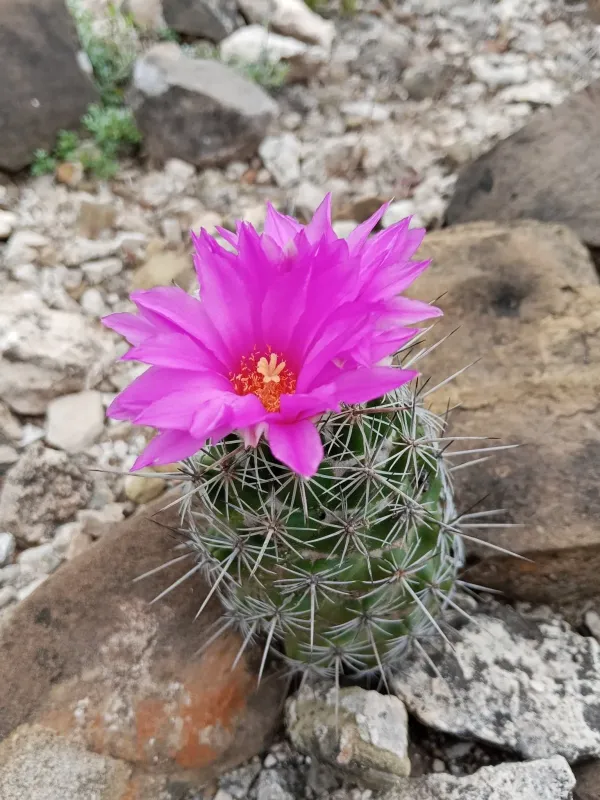
Description
Growing requirements
Neolloydia conoidea is a species of the Cactaceae family, native to the arid environments of Mexico and the southern United States. It is a succulent plant characterized by a distinct cone-shaped growth habit and slow, steady development in its natural habitat.
In cultivation, the primary requirement is a highly porous, gritty substrate that mimics its natural desert soil. A mixture composed of coarse sand, pumice, and minimal organic matter ensures that the root system remains well-aerated and free from stagnant water.
This cactus demands high levels of bright, direct sunlight to thrive. In indoor settings, it should be placed in the sunniest spot available. Insufficient light results in etiolation, where the plant loses its characteristic shape and becomes structurally weak.
Watering should follow the 'soak and dry' method strictly. During the growing season, water thoroughly and then allow the substrate to dry out completely before the next irrigation. During the winter dormancy period, watering must be suspended almost entirely.
A cool winter dormancy is essential for blooming. Maintaining temperatures around 10 to 12 degrees Celsius helps the plant conserve energy and stimulates the formation of floral buds for the upcoming spring season.
Main diseases and pests
Root mealybugs are a significant pest for this species. They hide in the root system and between the tubercles, draining the plant's vitality. Regular repotting and monitoring are necessary to detect and treat these pests using specialized systemic insecticides.
Fungal rots, including root and stem rot, are the most common threats caused by poor drainage or excessive humidity. Once the stem begins to soften or turn dark, the condition often becomes irreversible, highlighting the importance of preventative care.
Humidity management is crucial. High ambient humidity combined with cool temperatures can lead to superficial fungal growth on the epidermis. Providing adequate ventilation and air circulation around the plants is essential for maintaining health.
Sunburn is a risk if plants are moved from low-light conditions to intense sunlight too rapidly. A gradual acclimation period is required to strengthen the cuticle and prevent permanent tissue scarring and potential secondary infections.
Using improper fertilizers, particularly those high in nitrogen, can cause rapid, succulent growth that is overly susceptible to pests and diseases. Use low-nitrogen fertilizers specifically formulated for cacti to ensure steady, healthy growth.