
Neolloydia matehualensis
Neolloydia matehualensis
Description
Growing requirements
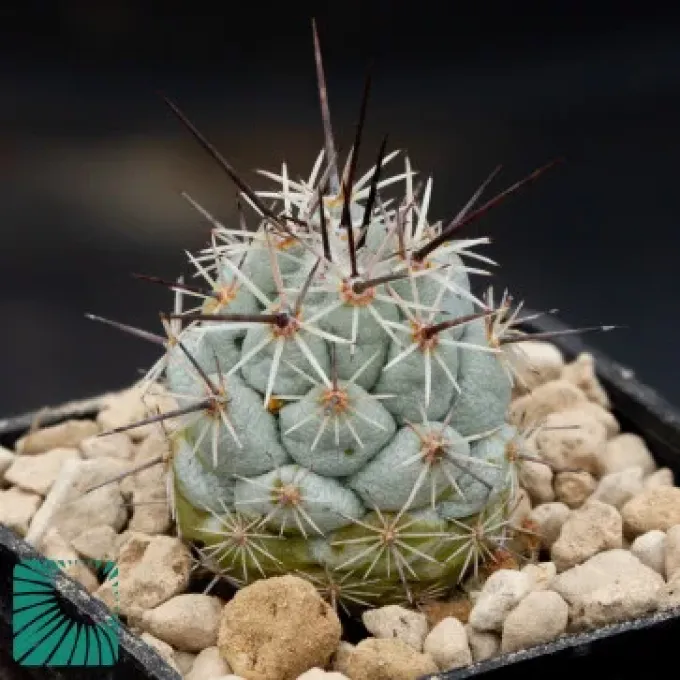
Neolloydia matehualensis is a distinctive species within the Cactaceae family, native to the arid limestone regions of San Luis Potosi, Mexico. It is characterized by its globose stem and dense, radial spines that provide a natural protective barrier against intense solar radiation.
Agricultural requirements for this species emphasize the need for a highly porous, mineral-based substrate. A mixture of gravel, perlite, and coarse sand is ideal to ensure that the root system receives oxygen while preventing the accumulation of excess water, which the plant cannot tolerate.
Light intensity is the most critical environmental factor. The plant requires full, direct sun exposure to maintain its compact shape and healthy tissue development. Inadequate light results in etiolation, making the succulent highly susceptible to secondary infections.
During the growing season, which corresponds to the warmer months, the plant benefits from regular but infrequent watering. Each watering session should thoroughly hydrate the soil, followed by a complete drying period before the next cycle begins to ensure healthy root growth.
In terms of usage, Neolloydia matehualensis is primarily cultivated by cactus enthusiasts and botanical research institutions. Its morphological features, such as its unique flower structure and adaptation to extreme drought, make it a valuable specimen for specialized succulent collections.
Main diseases and pests
The primary threat to this cactus is root rot, driven by pathogenic fungi that thrive in waterlogged conditions. Once the root system is compromised, the decay can rapidly spread to the main body of the plant, often leading to irreversible damage.
Mealybugs are the most common insect pest. These sap-sucking insects often congregate in the crevices between the tubercles, protected by their white waxy secretion, which makes manual removal or chemical treatment challenging without damaging the plant's epidermis.
Spider mites pose a significant risk, particularly in dry and stagnant greenhouse environments. These pests cause microscopic punctures that lead to unsightly scarring and a reduction in the plant's photosynthetic efficiency, eventually weakening the specimen.
Root aphids represent a persistent problem for many succulent species, as they reside deep within the root ball. Their presence is often only revealed by the plant's stunted growth and general decline in vigor, requiring systemic soil-drench insecticides for effective control.
Effective management strategies include maintaining strict sanitation protocols, ensuring proper airflow around the plants, and utilizing a preventative treatment schedule with specialized fungicides and pesticides suited for arid-zone plants.