
Harrisia martinii
Harrisia martinii (Labour.) Britton
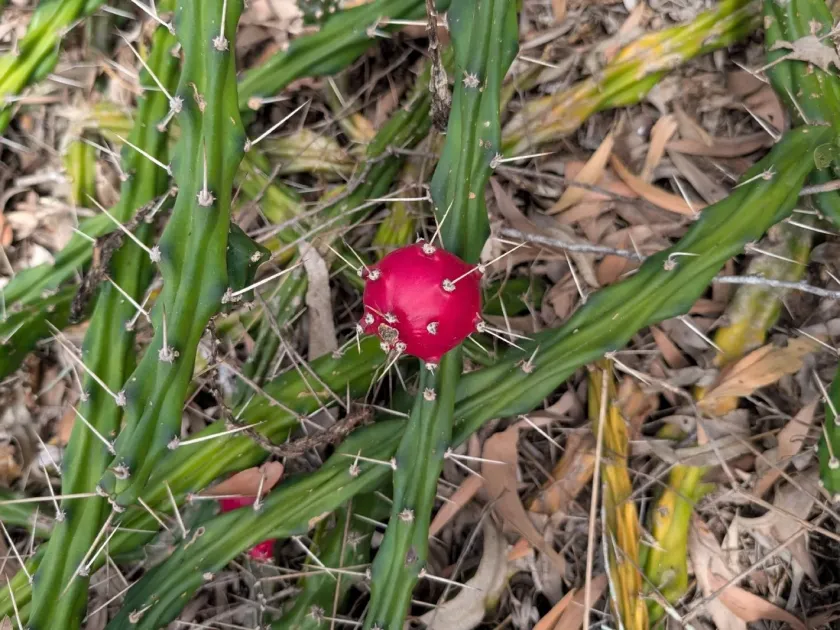
Description
Growing requirements
Harrisia martinii is a species of cactus belonging to the Cactaceae family, native to the arid and semi-arid regions of Argentina and Paraguay. It is scientifically noted for its trailing, sprawling stem habit, often reaching lengths of over two meters, which allows it to spread effectively across diverse landscapes.
This plant thrives in well-draining, sandy soils that mimic its natural habitat. When grown in artificial conditions, it is essential to provide a specialized cactus substrate enriched with mineral components to ensure efficient drainage and prevent the accumulation of moisture, which is the primary cause of root degradation.
The climate requirements for Harrisia martinii are centered on high light exposure and consistent temperatures. While it can withstand periods of drought, it requires a warm environment to maintain its metabolic activities. During the winter, it needs a cooling period to facilitate future flowering, provided that temperatures do not drop to freezing levels.
Agricultural management of this cactus involves careful irrigation cycles. Watering should be deep but infrequent, allowing the soil to dry out completely between sessions. Excessive hydration, especially in low-light conditions, leads to etiolation, where the stems become weak and elongated, losing their structural integrity.
Propagation is generally performed through stem cuttings, which possess a high rate of success when placed in dry, porous media. Given the plant's robust nature, it requires adequate space for expansion, whether it is being maintained for botanical collections or as a decorative specimen in controlled environmental settings.
Main diseases and pests
Harrisia martinii is susceptible to common cactus pathogens, particularly fungal rot such as Phytophthora, which manifests in damp conditions. Common pests include mealybugs that congregate in the crevices of the ribs, and spider mites that thrive in dry indoor air, necessitating periodic inspections and localized treatments.