
Austrocactus bertinii
Austrocactus bertinii
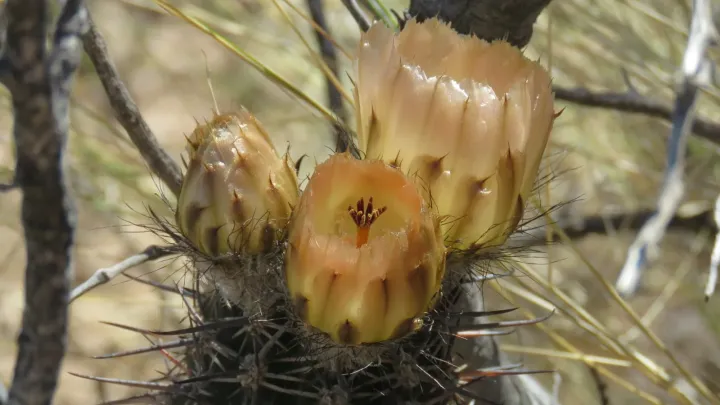
Description
Growing requirements
Austrocactus bertinii belongs to the Cactaceae family and is native to the arid regions of Patagonia, Argentina. It has evolved to thrive in harsh, high-altitude, and steppe-like environments with extreme temperature variations.
The species requires extremely well-draining, mineral-based soils. A mix of coarse sand, gravel, and minimal organic content is essential to prevent water accumulation and mimic its natural habitat conditions.
Botanically, it features a compact, often prostrate stem structure with numerous well-defined ribs and spines. This morphology allows the plant to efficiently manage its moisture reserves during long periods of drought.
High light intensity is a fundamental requirement for healthy growth. In cultivation, the plant needs maximum sun exposure to maintain its characteristic compact shape and robust spine development.
Irrigation must be strictly managed to avoid root damage. Watering should only occur when the growing medium is completely dry, and special attention must be given to preventing water contact with the plant's base.
Main diseases and pests
Root rot, driven by stagnant moisture in the substrate, remains the primary threat to the health and longevity of Austrocactus bertinii. It is a rapid infection that can destroy the root system if drainage is compromised.
Mealybugs are common pests that target the areoles, extracting nutrients and causing secondary damage. Their presence significantly weakens the plant's structural integrity and resistance to other environmental stresses.
Red spider mites may infest the plant in environments with low humidity and poor ventilation. Infestation symptoms typically include discolored patches and brown scarring on the surface of the cactus stems.
Winter conditions present risks, particularly when humidity levels remain high during cold spells. This combination frequently leads to mold development on the spines, which can then spread to the main body of the plant.
Effective pest and disease control requires regular monitoring and the use of targeted systemic insecticides and fungicides when signs of decline are observed, ensuring the plant is kept in a dry and airy environment.