
Arrojadoa rhodantha
Arrojadoa rhodantha
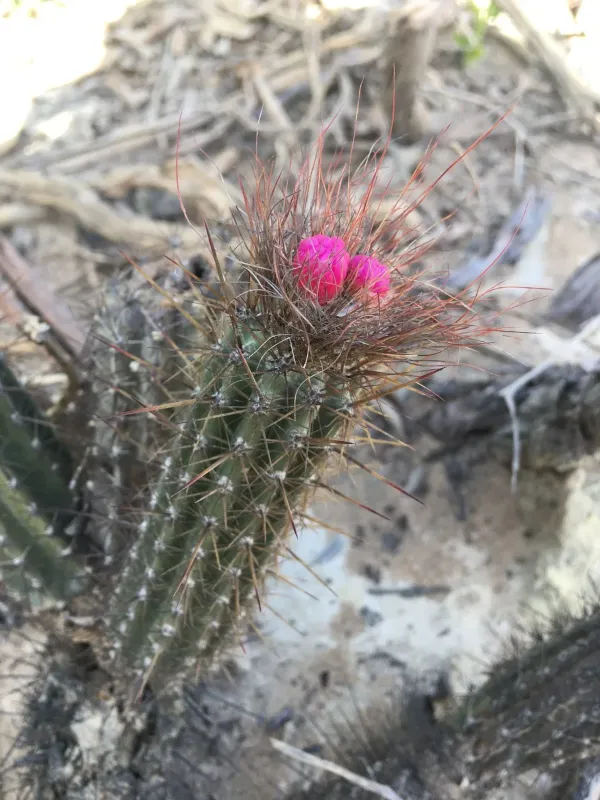
Description
Sowing dates
The propagation of Arrojadoa rhodantha is typically achieved through seed sowing in a specialized mineral-rich substrate. Early spring is considered the ideal time for sowing, as the increasing daylight supports healthy seedling development.
The substrate must be well-drained and porous, containing a mix of sand, perlite, and a small amount of peat. Keeping the temperature around 22–25 degrees Celsius is crucial for consistent germination rates.
Once seedlings emerge, it is essential to manage moisture levels carefully. Providing adequate ventilation prevents the damping-off disease, which is a common threat in seedbeds.
Transplanting (pricking out) should occur when the seedlings are strong enough to handle. This usually happens a few months after germination to ensure the roots have developed sufficiently.
As the plant grows, it requires minimal disturbance to its root system. Future repotting should only be performed when the container becomes too small or the soil quality degrades.
Growing requirements
Arrojadoa rhodantha belongs to the Cactaceae family and is native to the arid regions of Brazil. These plants thrive in high light intensity, which is necessary to maintain their compact and structural integrity.
The soil requirements are strict: a mineral-based cactus mix that allows for fast water drainage. Any stagnation of water at the base will lead to rapid decay of the vascular system.
Watering practices must be seasonal. During the active growth phase, water only when the soil is completely dry. In the winter dormancy phase, watering should be significantly reduced or ceased.
Good air circulation is vital for Arrojadoa rhodantha. Placing the plants in a well-ventilated area helps mimic their natural environment and reduces the risk of fungal proliferation.
Temperature management is key: the species requires warmth during the day and can tolerate mild temperature drops at night, but it must be protected from freezing conditions at all times.
Main diseases and pests
The primary concern for Arrojadoa rhodantha is root rot, almost always caused by excessive moisture. This condition is often irreversible once the rot reaches the main stem of the cactus.
Mealybugs are common pests that hide in the woolly cephalium or between the ribs. Manual removal or the application of specialized insecticides is necessary to keep these infestations under control.
Spider mites can become a nuisance if the surrounding air is too dry and stagnant. Maintaining a clean and slightly ventilated environment is the best defense against these microscopic pests.
Fungal infections on the epidermis often occur after physical damage or in high-humidity scenarios. It is important to treat any wounds immediately with fungicide to prevent the spread of decay.
Etioalation, or stretching due to lack of light, weakens the plant's structural strength, making it more prone to physical collapse and secondary bacterial infections over time.