
Arrojadoa bahiensis
Arrojadoa bahiensis
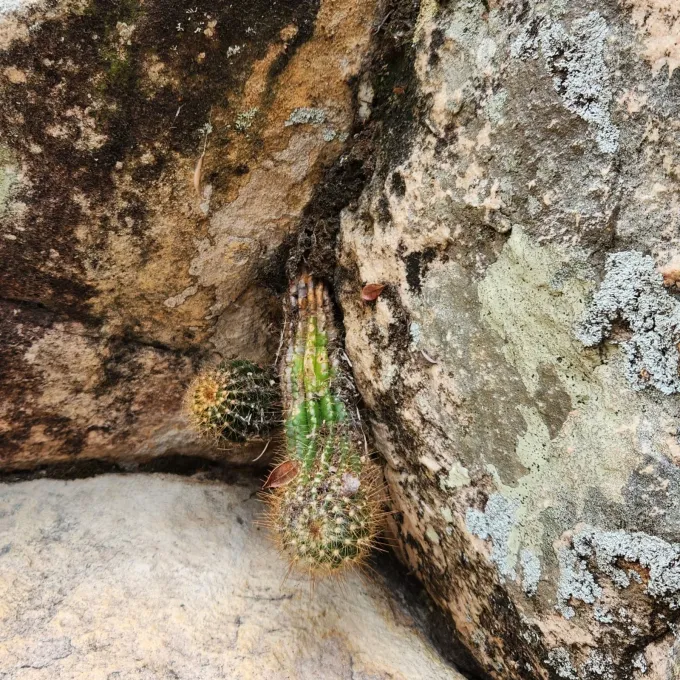
Description
Growing requirements
Arrojadoa bahiensis is a distinct species of succulent belonging to the Cactaceae family. This perennial cactus is characterized by its columnar growth habit, often branching from the base to form dense, upright clusters that are highly prized by collectors.
The plant is native to the Bahia state in Brazil. It thrives in the unique environment of the Caatinga biome, where it has evolved to withstand long periods of drought, intense solar radiation, and rocky, nutrient-poor soil conditions.
For successful cultivation, it is essential to replicate its natural environment as closely as possible. The plant requires full, direct sun exposure for several hours a day; partial shade can lead to etiolation, where the stem becomes weak and loses its natural form.
The choice of substrate is critical for the health of Arrojadoa bahiensis. A highly porous, well-draining mineral-based mix is necessary to prevent water stagnation. Incorporating coarse sand, lava rock, and perlite into the potting medium ensures optimal root aeration.
Temperature management is another key factor. During the active growing season, this cactus prefers warm temperatures between 22 and 30 degrees Celsius. It is crucial to allow the soil to dry out completely between watering sessions to mimic the sporadic rain patterns of its native habitat.
Main diseases and pests
The most significant threat to the survival of Arrojadoa bahiensis is root rot, which typically stems from overwatering or improper drainage. Once the root system is compromised, the infection can rapidly spread to the base of the stem, often leading to irreversible damage.
Pests, particularly mealybugs, are frequent visitors in domestic collections. These insects hide in the deep spines and crevices of the cactus, sucking its sap. Regular monitoring and physical removal with a soft brush or diluted alcohol are effective management strategies.
Spider mites are also known to affect this species, especially in environments with poor air circulation and low humidity. These microscopic pests cause visible scarring on the cactus skin, which can significantly detract from the plant's aesthetic value.
Fungal infections can occur if the cactus is kept in high-humidity environments with low light levels. These pathogens exploit micro-lesions on the epidermis to enter the plant's vascular system, causing localized tissue death and potential collapse.
Prevention of these threats involves strictly adhering to a seasonal care cycle. Reducing water intake significantly during the dormant winter period is the most effective way to prevent fungal growth and promote a healthy growth cycle for the following year.