
Arrojadoa penicillata
Arrojadoa penicillata
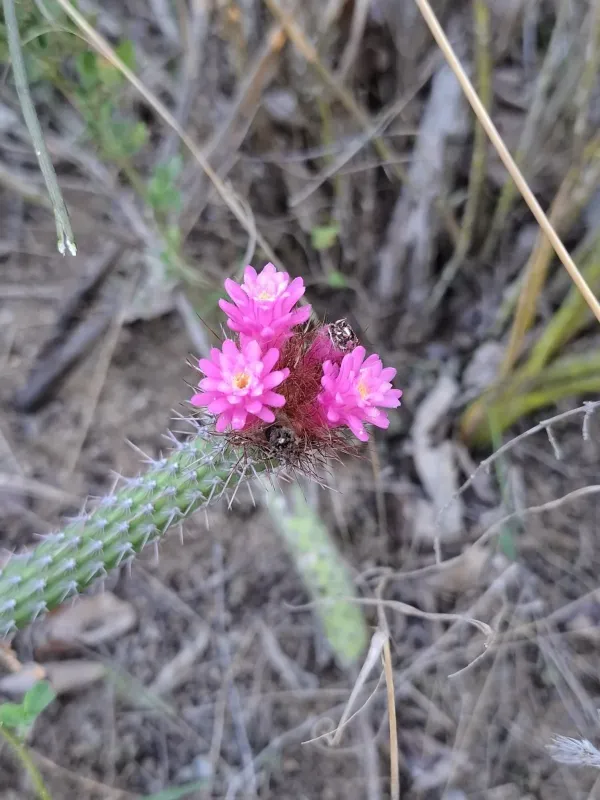
Description
Growing requirements
Arrojadoa penicillata is a distinct species of succulent belonging to the Cactaceae family. Known for its slender, branching stems and unique terminal cephalium, this plant is a prized specimen for collectors of rare, xerophytic flora.
Originating from the arid regions of Bahia and Minas Gerais in Brazil, this cactus thrives in rocky, nutrient-poor soils. It has evolved to survive in habitats with high solar irradiance and significant seasonal rainfall fluctuations.
Successful cultivation requires a bright, sunny location. Without intense light, the plant will fail to produce its characteristic dense growth and may exhibit etiolation. It is best suited for greenhouse conditions or sun-drenched windowsills in temperate climates.
The growing medium must be highly porous. A typical mix should include coarse river sand, perlite, and a small portion of mineral-based potting soil. Excellent drainage is non-negotiable to prevent moisture from accumulating around the root neck.
Watering should mimic the wet and dry cycles of its natural environment. During the growing season, water thoroughly only when the substrate is completely dry. In winter, keep the plant almost entirely dry to avoid tissue collapse due to cold-induced rot.
Main diseases and pests
Common pests affecting this species include mealybugs, which often colonize the areoles and the base of the cephalium. Their presence can be identified by the white, cotton-like masses they leave behind on the epidermis.
Root rot is the most common health issue, usually caused by overwatering or poor drainage. Once root rot takes hold, it can rapidly ascend the stem, leading to the irreversible death of the plant specimen.
Spider mites can also be problematic in low-humidity environments, causing fine webbing and yellowing patches on the stems. Increasing airflow and occasional misting can act as deterrents.
To manage threats, use systemic insecticides for insects and contact fungicides if signs of fungal spotting appear on the skin. Always isolate affected plants immediately to prevent the spread of pests to other cacti.
Maintaining a clean growing area and ensuring proper light and air circulation are the best defenses against both pests and pathogens, minimizing the need for heavy chemical intervention.