
Hybrid pineapple
Ananas hybrids
Description
Sowing dates
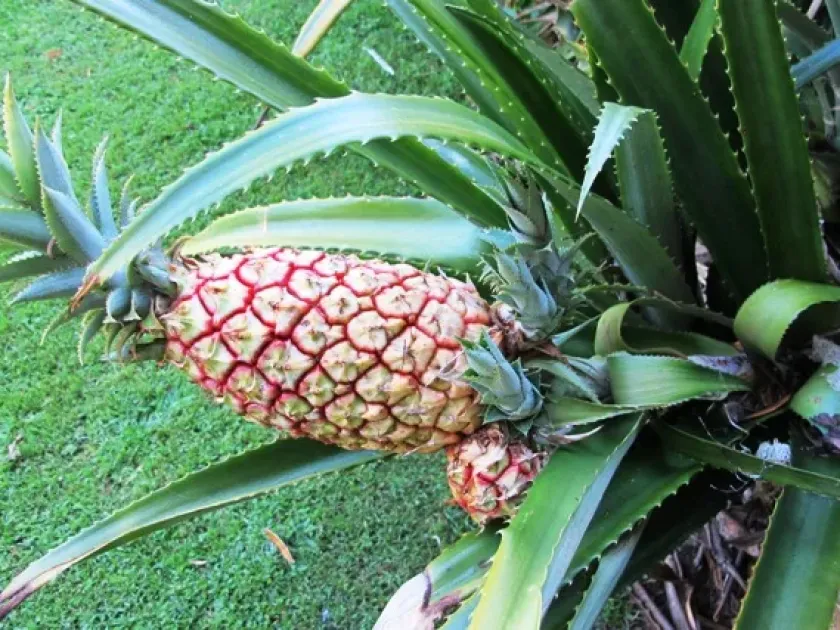
Hybrid pineapple (Ananas hybrids) is a herbaceous perennial belonging to the Bromeliaceae family. In agricultural practice, it is strictly propagated through vegetative means to maintain hybrid vigor and fruit quality.
The primary propagation materials used by farmers include slips (side shoots from the stalk), suckers (shoots from the roots), and crowns (the top leafy part of the fruit).
Seed-based propagation is rarely performed in commercial settings because the offspring do not retain the specific hybrid characteristics of the mother plant.
Soil preparation is a crucial step that involves deep tilling and organic amendment to ensure an open soil structure. Proper aeration is essential for the pineapple's fibrous root system.
Planting density depends on the specific hybrid variety and mechanization capabilities, usually involving double-row planting patterns to maximize land use efficiency.
Growing requirements
As a tropical crop, the hybrid pineapple requires a warm climate with temperatures consistently ranging between 22°C and 30°C for optimal photosynthetic activity.
The crop demands high light intensity. Sufficient sunlight is vital for carbohydrate synthesis, which directly influences the sugar content and acidity balance of the developing fruit.
The preferred soil pH is acidic, typically between 4.5 and 5.5. Soils with high calcium content or alkaline reactions must be avoided to prevent nutrient deficiencies, particularly iron chlorosis.
Water requirements must be met through consistent irrigation, though the plant is adapted to survive dry spells. Waterlogging is detrimental and is the primary cause of root-related failures.
Environmental control in greenhouse conditions should prioritize low humidity to prevent rot, while maintaining enough warmth to support the plant's metabolic processes.
Yield
The growth cycle from planting to harvest usually takes between 15 and 22 months. This period can be slightly adjusted by environmental factors and the initial size of the planting material.
To ensure uniform flowering and harvest timing, commercial growers often apply ethylene-based plant growth regulators to trigger the reproductive stage of the plant.
Under optimal management, yields can range from 50 to 80 tonnes per hectare. Hybrid varieties are specifically bred for uniformity, higher juice content, and resistance to post-harvest decay.
Ratoon crops, produced from secondary shoots after the first harvest, are a common practice, though they typically produce slightly smaller fruits than the primary planting.
Harvesting is usually done by hand to ensure the fruit is picked at the correct maturity stage, as pineapples do not continue to ripen significantly after being detached from the plant.
Main diseases and pests
The most significant threats to hybrid pineapples are fungal diseases, particularly Phytophthora heart rot and root rot, which thrive in poorly drained, wet environments.
Pests, such as the mealybug, pose a serious economic threat. These insects weaken the plant and serve as vectors for mealybug wilt disease, which can cause total yield loss.
Nematode infestations in the root zone are a persistent problem in tropical soils, significantly reducing the plant's ability to take up nutrients and water.
- Phytophthora root rot
- Mealybug infestation
- Nematodes
- Fruitlet core rot
Integrated pest management (IPM) strategies, including the use of clean planting stock and systematic fungicide application, are necessary to sustain long-term plantation health.