
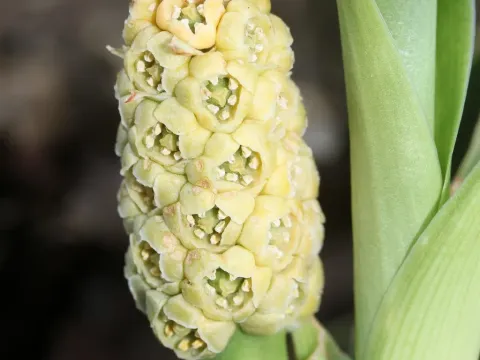
Rohdea
Rohdea
Rohdea japonica is a perennial evergreen herbaceous plant belonging to the Asparagaceae family. Native to the forest floors of East Asia, including Japan and China, this plant is well-adapted to low-light environments and thrives in humid, nutrient-rich substrates.
What the section contains

Rohdea
The plant is highly prized for its structural, leathery, dark green leaves that grow in a basal rosette. Its rhizomatous root system allows it to store energy efficiently, contributing to its longevity and resilience in garden settings or as a container-grown ornamental.
Cultivation requires specific light management: Rohdea prefers deep shade to partial shade. Direct exposure to intense sunlight can bleach the foliage and cause severe leaf burn, making it an excellent candidate for shaded courtyards or indoor environments with minimal natural light.
A well-draining soil mix is essential to prevent root rot. Gardeners typically use a blend of peat, leaf mold, and coarse sand. Ensuring good aeration is crucial, as the thick, fleshy roots are sensitive to hypoxic conditions caused by compacted or waterlogged soil.
Temperature requirements are moderate. While the plant can tolerate occasional light frosts, it thrives best in temperatures between 15°C and 22°C during the growing season. Winter dormancy should be maintained in a cool location to ensure healthy spring development.
Root rot is the most significant pathological threat to Rohdea, primarily caused by improper watering practices. Overly damp soil, combined with poor drainage, creates a perfect breeding ground for fungal pathogens that decay the rhizome.
Scale insects are common pests that feed on the sap of the plant, often hiding in the crevices between leaf bases. Their presence can lead to stunted growth and a general decline in the plant's health, often requiring mechanical removal or targeted insecticide application.
Mealybugs can also infest Rohdea, especially in stagnant air conditions. These pests are easily identified by the white, cotton-like masses they produce on the undersides of leaves or near the growing point of the rosette.
Spider mites pose a risk when humidity levels are consistently low. They cause tiny, pale spots on the leaves, leading to chlorosis. Maintaining higher humidity around the foliage is a key preventive measure against mite outbreaks.
Disease management relies heavily on preventative hygiene: ensuring adequate spacing between plants, removing any decaying foliage, and avoiding overhead watering that leaves moisture in the center of the rosette, which can promote bacterial and fungal infections.