
Rohdea fargesii
Rohdea fargesii
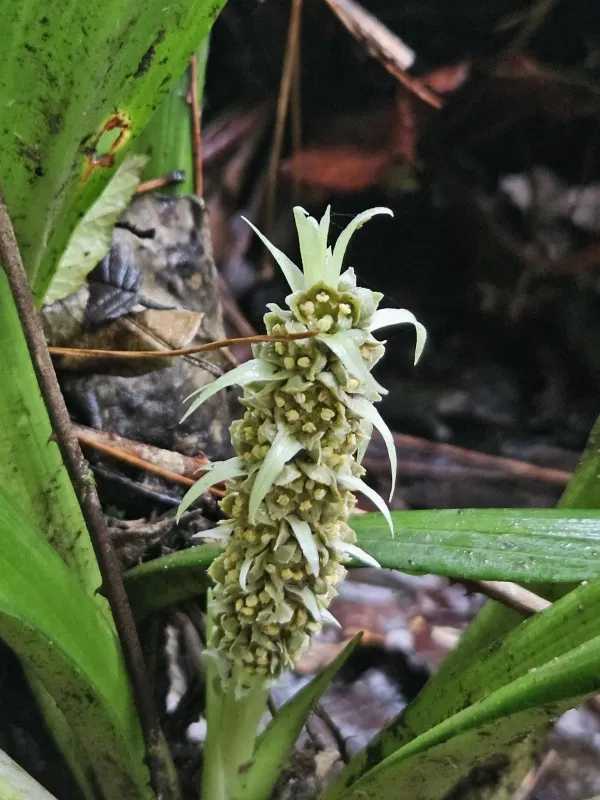
Description
Growing requirements
Rohdea fargesii is a perennial herbaceous plant belonging to the Asparagaceae family. Originating from the dense forests of East Asia, it has evolved to thrive in specialized microclimates, primarily found in shady, moist, and temperate mountainous regions.
The plant features a basal rosette of evergreen, leathery, and strap-shaped leaves that remain green throughout the year. Its botanical architecture is designed for efficiency, with thick, fleshy rhizomes that serve as storage organs to survive nutrient-scarce or dry periods.
The climatic requirements for successful cultivation include low to moderate light intensity. It is an ideal species for shady gardens where direct sunlight is filtered by tree canopies. It prefers stable temperatures and avoids extreme heat or harsh, drying winds.
Soil conditions are critical for the longevity of the plant. It requires well-draining, nutrient-rich soil with a slightly acidic to neutral pH level. A mix containing organic matter, such as leaf mold or compost, is recommended to mimic its natural habitat.
Agrotechnical practices center on irrigation management. While the soil should be kept consistently moist, it is imperative to avoid waterlogging. During the active growing season, providing a balanced, slow-release fertilizer can support steady development of the foliage.
Main diseases and pests
Common threats to Rohdea fargesii are primarily rooted in poor drainage or improper watering. Root rot caused by fungal pathogens is the most prevalent issue, typically triggered by soil that remains saturated for extended periods.
Pests such as spider mites and scale insects are known to infest the plant, especially when it is grown in environments with poor ventilation or low humidity. These pests suck the sap from the leaves, causing discoloration and eventual tissue death.
Prevention involves maintaining adequate spacing between plants to ensure good air circulation, which reduces the buildup of humidity around the base. Regularly cleaning the foliage helps prevent the colonization of scale insects in leaf axils.
Slugs and snails can cause significant mechanical damage to the foliage in outdoor garden settings. Using physical barriers or organic pest control methods is advised to protect the young, developing leaves from herbivory.
Monitoring for signs of infection is essential. If localized fungal spots appear, affected leaves should be pruned and destroyed immediately to prevent the spread of spores, followed by the application of appropriate systemic fungicides if necessary.