
Reineckea carnea
Reineckea carnea
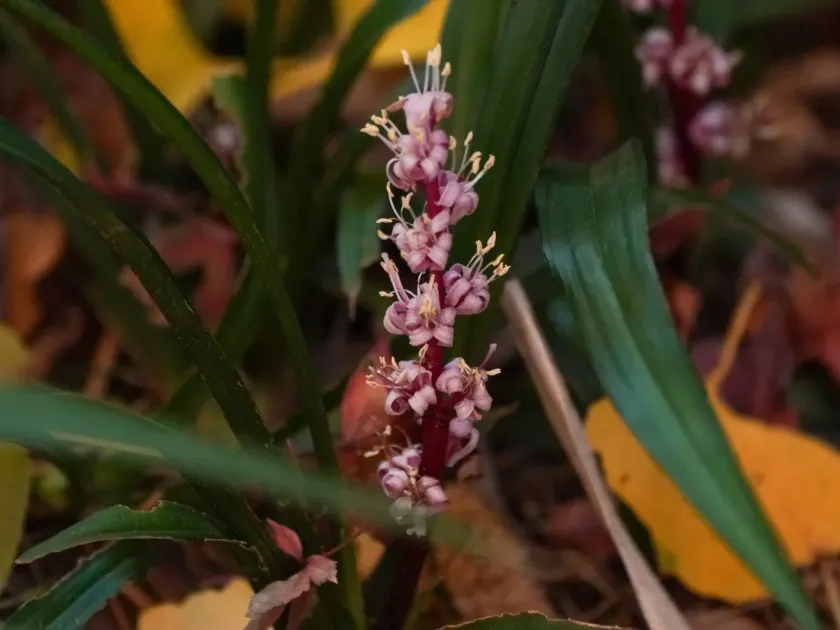
Description
Growing requirements
Reineckea carnea is a low-growing rhizomatous perennial belonging to the Asparagaceae family. Originating from the forest regions of China and Japan, it is widely recognized for its ability to create dense, lush carpets of glossy, lance-shaped leaves in temperate climates.
The plant thrives in shaded environments, mimicking the forest floor conditions of its native habitat. It is an excellent choice for garden zones that do not receive direct sunlight, as high solar intensity typically causes significant leaf damage and physiological stress.
Soil requirements for Reineckea carnea focus on moisture retention and drainage. A rich, loamy soil amended with organic matter such as peat or leaf mold provides the necessary structure and nutrients for the plant to spread effectively through its underground rhizomes.
Climatic requirements involve consistent humidity and protection from harsh, drying winds. While the species is moderately hardy, it requires stable soil temperatures to prevent damage to the fleshy root system during the winter months, especially in regions with deep soil freezing.
Management practices include regular, moderate watering during the growing season and periodic mulching to maintain soil structure and suppress opportunistic weeds. Given its slow to moderate growth rate, minimal pruning is required, primarily limited to removing damaged or diseased foliage.
Main diseases and pests
Root rot is the most significant threat to the health of Reineckea carnea, typically caused by waterlogged soil conditions. Proper site selection and the installation of a gravel or sand-based drainage layer are essential to mitigate this risk throughout the growing season.
Gastropods, particularly slugs and snails, are the primary pests that target this crop, frequently defoliating young leaves during damp weather. Protective measures, including the application of organic baits or manual removal, are necessary to preserve the plant's aesthetic value.
Infestations of sap-sucking insects like aphids can sporadically occur, impacting the vigor of the plant during periods of rapid growth. Targeted monitoring of the leaf undersides allows for early intervention, often utilizing horticultural oils or insecticidal soaps for control.
Nutrient deficiencies may manifest as chlorosis or stunted development if the pH level of the soil deviates significantly from the preferred slightly acidic range. Regular soil testing and the addition of organic amendments can stabilize the growing environment over time.
Pathogen accumulation in the soil is a potential concern, particularly in closed or poorly ventilated garden environments. Maintaining good air circulation and removing dead organic debris around the crowns significantly decreases the probability of successful fungal pathogen establishment.