
Pseudoprospero firmifolium
Pseudoprospero firmifolium
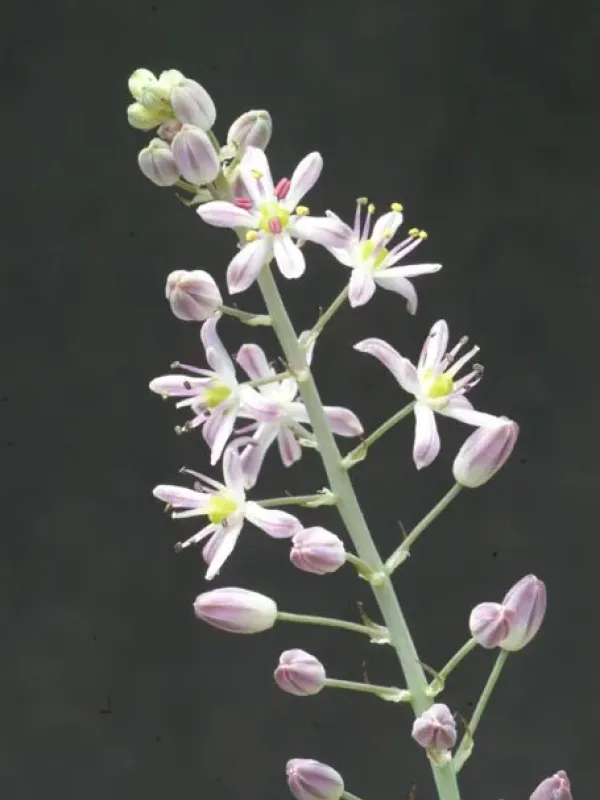
Description
Sowing dates
Propagation of this species is primarily achieved through the division of mature bulbs during the plant's dormant season. Late summer or early autumn is considered the ideal time to separate offsets from the parent bulb for replanting.
When planting, bulbs should be placed at a depth roughly double their height. It is critical to ensure the soil is loose and friable, allowing the developing root system to expand without restriction.
Seed propagation is possible but slow and requires a period of cold stratification to break dormancy. Sowing should take place in well-drained seed trays containing a sterile, gritty medium to prevent early rot.
Spacing is essential for the health of the crop, as overcrowding promotes high humidity around the foliage. Maintaining a distance of at least 10–15 centimeters between bulbs is recommended for optimal development.
After planting, a light initial watering should be provided to settle the soil around the bulbs. Following this, the moisture levels must be carefully managed to prevent the bulbs from decaying before they establish new roots.
Growing requirements
Pseudoprospero firmifolium is a member of the Asparagaceae family, characterized by its resilient nature in specific arid or semi-arid environments. It thrives in well-draining soil structures typical of its native Southern African habitat.
The plant demands a high-light environment, preferably full sun, to initiate proper flowering and bulb maturity. Exposure to at least six hours of sunlight is necessary to maintain the plant's vigor and color intensity.
Soil composition must prioritize drainage; a mix of coarse sand and loam is often ideal. If the soil is heavy or prone to waterlogging, it should be amended with perlite or gravel to improve oxygen circulation to the bulbous base.
Temperature management is crucial, as the plant is not frost-tolerant. In cooler climates, providing winter protection or moving the crop into a climate-controlled greenhouse is necessary to preserve the bulbs.
The watering regime must strictly follow the seasonal cycle of the plant. During the growth phase, soil should be kept lightly moist, while the dormant season requires a nearly bone-dry environment to mimic native dry periods.
Main diseases and pests
Fungal pathogens represent the most significant threat to the survival of this crop. Rot, typically caused by moisture accumulation around the basal plate of the bulb, is a common and often fatal issue if not treated early.
Pests such as bulb mites and various species of larvae can infiltrate the bulbs, consuming the interior tissues and weakening the plant's structural integrity. Monitoring for signs of stunted growth is essential.
Integrated pest management strategies should include the use of clean planting stock and the removal of any debris that could harbor spores or insects. Regular soil aeration can also help reduce the humidity that favors fungal growth.
Chemical intervention may be necessary if symptoms of infestation or disease become prevalent. Systemic fungicides and specialized insecticides are recommended only after proper identification of the causative agent.
- Use of well-draining potting mixes.
- Periodic monitoring for pest infestations.
- Removal of damaged plant tissues.