
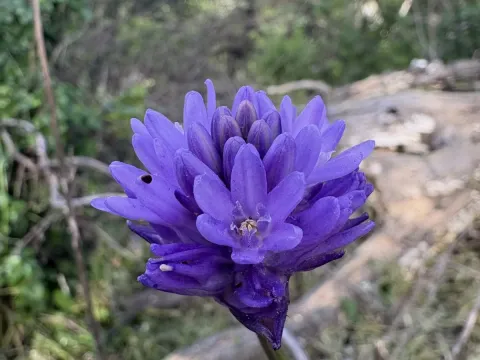
Dichelostemma
Dichelostemma
Planting Dichelostemma bulbs should be conducted in the autumn season, typically between September and October. This timing allows the bulbs to establish a robust root system before the onset of winter dormancy.
What the section contains


Dichelostemma
The bulbs should be buried at a depth of approximately 8 to 12 centimeters, depending on the texture of the soil. Planting in lighter, sandy soils often allows for slightly deeper placement to protect the bulb from frost heave.
In regions experiencing harsh winter temperatures, it is essential to apply a layer of mulch, such as pine needles or straw, over the planting site. This insulation prevents the soil from undergoing extreme temperature fluctuations.
If gardening in colder climate zones, spring planting is an alternative, though it often results in less vigorous floral displays. In such cases, the bulbs must be kept in a cool, dark environment until the threat of severe frost has passed.
Proper spacing is a key factor for healthy development. Maintain a distance of at least 10 to 15 centimeters between each bulb to ensure adequate air circulation and prevent resource competition during the active growth period.
Dichelostemma, a genus belonging to the Asparagaceae family, thrives in environments that mimic its native Western North American habitats. It requires a planting location that receives full sun or very light partial shade.
The soil must provide excellent drainage, as the bulbs are highly susceptible to rot when exposed to excessive moisture. Incorporating organic matter and coarse grit into the soil profile can significantly improve the growing conditions.
The ideal soil pH for this culture is neutral to slightly acidic. Regular monitoring of the soil moisture is necessary; while the plants appreciate moderate irrigation during their flowering phase, they require a dry period once leaves begin to yellow.
Climate tolerance is moderate, and while some species are hardy, they generally perform best when protected from extreme cold or intense, drying winds. Growing them in raised beds or containers is a common practice in areas with heavy, clay-based soils.
Fertilization should be applied sparingly, ideally in early spring as new shoots emerge. A balanced, slow-release fertilizer is preferred to prevent excessive vegetative growth at the expense of developing high-quality inflorescences.
Root rot and bulb decay caused by fungal pathogens are the primary threats to Dichelostemma. These conditions are almost exclusively linked to poor drainage and overwatering, emphasizing the need for strict water management.
Pests such as aphids and spider mites can occasionally affect the foliage, particularly if the plants are grown in poorly ventilated conditions. Regular inspection and the application of insecticidal soaps can mitigate these problems.
Bulb-feeding pests, including certain species of flies and nematodes, can damage the underground parts of the plant. Using certified, pest-free planting stock is the most effective way to prevent the introduction of these threats to the garden.
Slugs and snails often feed on the tender emerging shoots of the plant during the spring. Implementing barrier methods, such as copper tape or gravel mulching around the plants, serves as an effective deterrent without using harsh chemicals.
Good sanitation practices, such as removing dead foliage and debris from the base of the plants, are crucial. This limits the habitat available for pests and prevents the buildup of fungal spores that thrive on decaying organic material.