
Dichelostemma
Dichelostemma hybrids
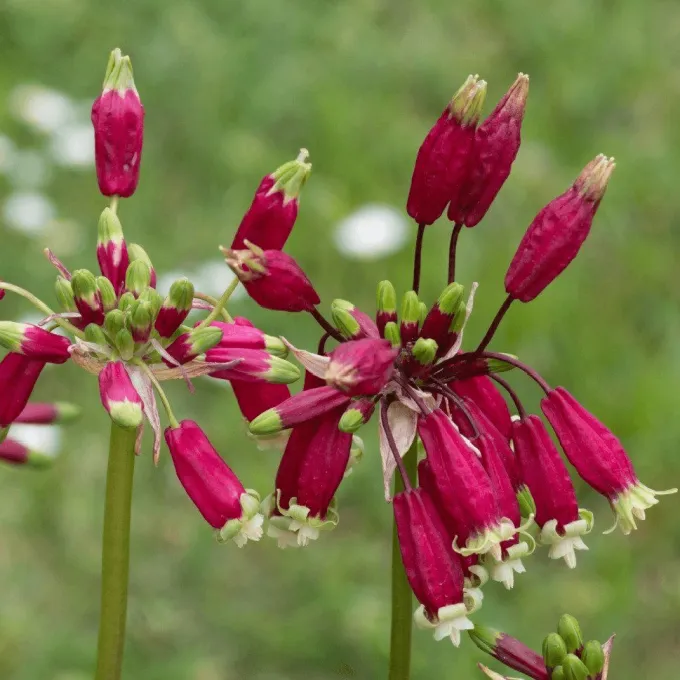
Description
Sowing dates
Planting Dichelostemma bulbs is typically performed in the spring once the soil temperature consistently reaches 10-12 degrees Celsius. In milder climates, autumn planting is possible if adequate mulching is provided to prevent the bulbs from freezing during winter.
The optimal planting depth for the bulbs is approximately 8-10 centimeters. Proper placement ensures that the plant develops a robust root system while protecting the emerging shoots from sudden temperature fluctuations.
Spacing between plants should be maintained at 15-20 centimeters. This density promotes healthy air circulation, which is crucial for preventing humidity-related diseases and ensuring that each plant receives sufficient nutrients and light.
Pre-treatment of bulbs with a systemic fungicide is highly recommended before planting to protect against soil-borne pathogens. Adding well-rotted organic matter or compost to the planting holes provides the initial nutrition necessary for vigorous growth.
Selecting a site with full sun exposure is vital for the development of strong, erect flower stalks. Avoid areas where water pools after rain, as standing water is detrimental to the survival of the bulbous rootstock.
Growing requirements
Dichelostemma thrives in well-draining, loose, and fertile soil with a neutral to slightly acidic pH level. Heavy clay soils must be amended with sand or organic material to improve structure and prevent waterlogging.
The plant requires moderate moisture throughout its growing season. However, once the flowers have faded and the foliage begins to yellow, irrigation should be strictly reduced to allow the plant to enter its natural dormancy period.
As a member of the Asparagaceae family, the plant benefits from a balanced fertilization program. Applying a slow-release fertilizer at the start of the growth phase supports the development of both the floral stems and the new bulb clusters.
Protection from high winds is an important agrotechnical consideration, as the stems, while sturdy, can be damaged during storms. In exposed fields, windbreaks or temporary supports may be necessary during the peak flowering stage.
Temperature control is essential when growing in greenhouses. Maintaining a consistent environment without significant shifts prevents the premature onset of dormancy or physiological stress in the plants.
Yield
Dichelostemma is primarily grown for the cut-flower market, valued for its unique inflorescences and long vase life. High-quality stems can last up to two weeks, making them a preferred choice for professional florists.
Commercial yields are optimized by managing bulb density and ensuring precise irrigation schedules. Under intensive cultivation, growers can produce high-quality stems that are uniform in height and bloom color.
The multiplication rate of bulbs is approximately 1:3 per year under favorable conditions. This makes sustainable cultivation achievable by rotating the stock and replanting the healthy offsets gathered during the harvest.
Productivity metrics include the number of stems per square meter and the average length of the flower spikes. Strategic use of fertilizers and proper sunlight management allow for yields of 50-70 stems per square meter.
Future potential lies in hybrid cultivation, which produces flowers with improved color intensity and better post-harvest performance, satisfying the demands of the modern floral retail sector.
Main diseases and pests
The most significant threats to Dichelostemma crops are fungal diseases such as Fusarium wilt and Botrytis, which primarily attack the bulbs and the base of the stems. Proper soil drainage is the most effective preventative measure.
Insect pests, particularly thrips and onion flies, can severely impact flower quality. Regular monitoring and the application of integrated pest management (IPM) techniques are required to minimize damage during the peak season.
Nematodes can also be problematic, causing stunted growth and poor flowering. Using clean, certified bulb stock and practicing crop rotation are standard procedures to mitigate these risks.
- Fusarium rot
- Botrytis blight
- Thrips
- Onion fly
- Root-knot nematodes
Virus infections, often transmitted by sap-sucking insects, present as leaf mottling or deformed blooms. Plants showing such symptoms must be identified and destroyed immediately to prevent the spread of the virus across the plantation.
Harvesting
Harvesting should occur when approximately 50% of the flowers on the spike have opened. Cutting at this stage ensures that the flowers continue to open while maintaining their structural integrity and vase performance.
Post-harvest handling requires immediate cooling to prevent the flower spikes from dehydrating. Stems should be stored in clean, cool water with appropriate preservatives to maximize their commercial shelf life.
For bulb propagation, harvesting takes place after the foliage has naturally withered. This indicates that the energy has been successfully relocated to the bulb, ensuring vitality for the next growing cycle.
Bulbs must be cleaned and dried in a shaded, ventilated environment to prevent mold. Avoiding direct sunlight during this process is essential to maintain the moisture content within the bulb tissue.
Storage should be in a cool, dry place at temperatures around 10-12 degrees Celsius. Periodic inspection of the stored material helps to catch and remove any bulbs showing early signs of decay or damage.