
Dichelostemma congestum
Dichelostemma congestum
Description
Sowing dates
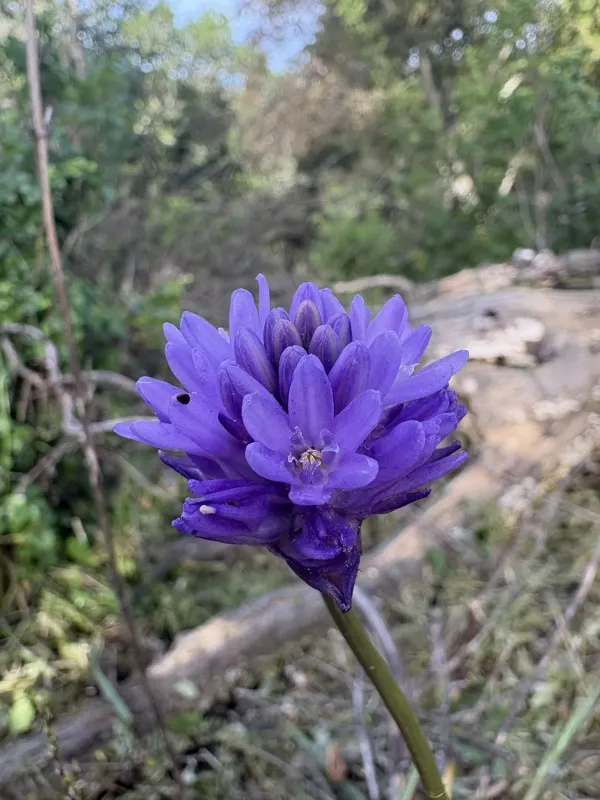
Dichelostemma congestum, commonly known as the ookow or firecracker flower, belongs to the Asparagaceae family and is native to western North America.
The primary method of propagation is the separation of offsets or bulbils from the parent bulb during the dormant season, typically in late summer.
Planting in the garden should be done during the autumn, allowing the roots to establish in the cooler soil before the onset of winter dormancy.
For seed propagation, sowing should take place in cold frames or outdoor nursery beds to subject the seeds to necessary winter chilling for germination.
Ensure that the planting site has adequate space, as these plants look best when naturalized in clusters rather than isolated specimens.
Growing requirements
This species thrives in well-drained soils, ideally sandy or gritty loams, as it is highly susceptible to rot in heavy or waterlogged clay soils.
It prefers full sun exposure, although it can tolerate light shade in warmer climates, which helps prevent premature dehydration of the foliage.
The plant is adapted to a Mediterranean climate pattern, meaning it requires a moist growing season followed by a dry summer dormancy period.
Little to no supplemental fertilization is required if the soil is moderately fertile, as excessive nutrients can lead to weak, floppy growth.
Providing a light layer of mulch can help moderate soil temperatures, but it must be kept thin to prevent moisture from trapping against the bulb neck.
Main diseases and pests
Fungal pathogens such as Botrytis or various soil-borne rots are the most significant threats, especially in areas with high spring rainfall.
Pests such as bulb mites and aphids can cause damage during the active growing phase, weakening the plant and reducing its flowering potential.
Gophers and other small rodents are notorious for feeding on the fleshy bulbs, often necessitating the use of wire baskets for protection.
Good air circulation is essential for reducing the risk of powdery mildew and other foliar diseases during humid spring conditions.
Regular inspection of the bulbs before planting is critical to ensure that only healthy, firm, and disease-free material is placed in the soil.
Harvesting
The harvesting of flower stalks for cut flower arrangements should be performed when the lower florets begin to open on the inflorescence.
For gardening maintenance, wait until the foliage has completely withered and turned brown before attempting to lift the bulbs for division.
After harvesting, bulbs should be cleaned of soil and debris, then cured in a dry, shaded area with excellent ventilation for several days.
Carefully separate the bulblets from the parent bulb, storing them in a cool, dry place to prevent desiccation until the following planting season.
Proper documentation of the bulb size and age is recommended if managing a collection for both aesthetic and propagation purposes.