
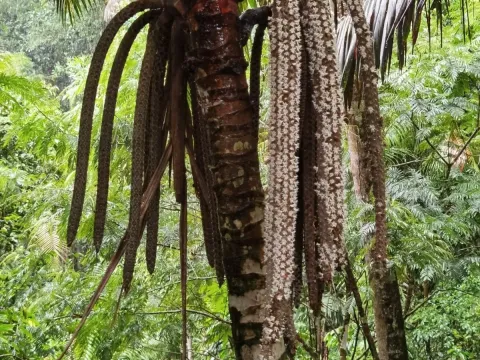
Welfia
Welfia
Welfia is a genus of flowering plants in the palm family, Arecaceae. These majestic palms are native to the tropical rainforests of Central and South America, where they thrive in the humid, shaded environments of the forest understory.
What the section contains


Welfia
Cultivating Welfia requires strict adherence to tropical climate parameters. The plant thrives in conditions with high atmospheric humidity and constant warmth, as it is extremely sensitive to cold stress and frost, which can cause irreparable tissue damage.
The ideal soil for this palm is a nutrient-rich, well-draining substrate with a slightly acidic to neutral pH. Proper soil management is crucial to maintain moisture without creating waterlogged conditions, which could promote root rot.
Welfia prefers partial shade or filtered light conditions, mimicking the canopy cover of its native habitat. Exposure to direct, intense sunlight can lead to leaf scorching, significantly reducing the visual appeal of the palm's large fronds.
Agrotechnical practices involve consistent fertilization during the active growing season using balanced NPK formulas designed for palms. Additionally, ensuring good air circulation around the plants helps prevent the development of fungal conditions in damp environments.
Like many palms, Welfia can be susceptible to various pests, including spider mites and scale insects, which often thrive in indoor or controlled garden environments. Regular inspection of the undersides of the leaves is recommended for early detection.
Fungal pathogens can affect the plant if drainage is poor or if the foliage remains wet for too long in stagnant air. Maintaining clean growing conditions and ensuring proper spacing between plants are the best preventative measures.
Nutrient deficiencies, specifically magnesium or potassium, may manifest as leaf yellowing, which can be managed with targeted micronutrient application. Monitoring the soil health is essential for preventing these common physiological disorders.
Root diseases are typically caused by overwatering or using an unsuitable growing medium that retains too much water. Replacing substrate or improving drainage systems is the primary intervention for managing such health issues.
Effective management of these threats requires an integrated approach that prioritizes environmental stability. Maintaining the plant's natural vigor through balanced irrigation and feeding is the most effective defense against both biological and physical threats.