
Wagner's Trachycarpus
Trachycarpus wagnerianus
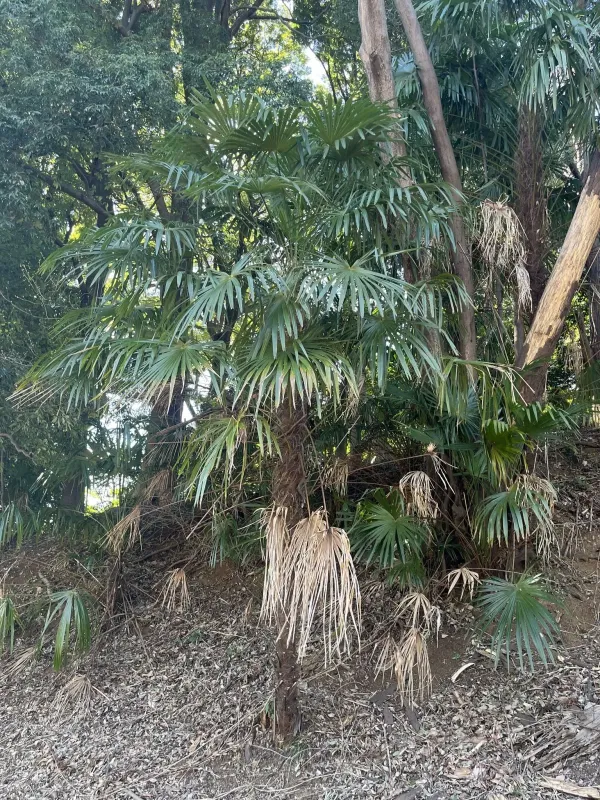
Description
Sowing dates
Propagation of Trachycarpus wagnerianus is performed exclusively through seeds, as this palm does not produce offshoots. Seeds require stratification and a 48-hour soak in warm water to break dormancy and ensure uniform germination.
The ideal time for sowing is early spring. Seeds should be planted in a light, well-draining substrate at a depth of about 1–2 cm. Maintaining a constant temperature of 22–25 degrees Celsius is crucial for success.
Germination is a slow process that can take anywhere from one to three months. Throughout this period, the soil must be kept consistently moist but never waterlogged to prevent the seeds from rotting before they sprout.
Once the first true leaf appears, seedlings should be carefully moved into individual pots. They are slow-growing in the early stages, requiring patience and steady care until they are large enough for outdoor transplantation.
Using a sterile, peat-based mix for sowing helps prevent fungal growth. Young palms are best kept in containers for their first few years, allowing for better monitoring of their development and protection from extreme weather.
Growing requirements
Wagner's Trachycarpus is a robust member of the Arecaceae family, highly valued for its exceptional cold hardiness. It can withstand temperatures as low as -15 to -18 degrees Celsius, making it a perfect exotic choice for cooler climates.
The plant thrives in fertile, well-drained loamy soils with a neutral or slightly acidic pH. It prefers a sunny position but requires protection from fierce, desiccating winds that can shred its stiff, dark green fan-shaped leaves.
Regular watering is essential during the active growing season, particularly during hot summers. However, good drainage is vital, as the roots are sensitive to waterlogging, which can lead to severe physiological stress.
During winter, especially in the first few years after planting, the crown and root area should be protected with organic mulch and breathable frost blankets. This helps prevent freezing of the core, which is the palm's most vulnerable point.
Fertilizing with a balanced slow-release fertilizer in late spring encourages healthy foliage growth. Wagner's palm is notably more compact and rigid than its cousin, Trachycarpus fortunei, making it less prone to wind damage.
Main diseases and pests
Root rot is the most common threat, usually caused by poor drainage or over-irrigation. Ensuring the planting site has adequate depth and soil structure is the best preventative measure against this fungal disease.
Pests like spider mites and scale insects may attack the palm, particularly in dry or confined conditions. Keeping the leaves clean and maintaining proper air circulation around the crown helps keep these populations in check.
Mealybugs can hide in the dense leaf bases of the palm. Regular inspections are necessary to identify early infestations, which can be treated with systemic insecticides or targeted applications of insecticidal soap.
Leaf spot diseases can occur during prolonged periods of high humidity and poor ventilation. Pruning off the affected leaves and applying copper-based fungicides is recommended if signs of infection appear.
General plant health is the best defense against threats. Providing the palm with the right amount of light, consistent water, and adequate nutrition will significantly boost its natural resistance to environmental stressors and pathogens.