
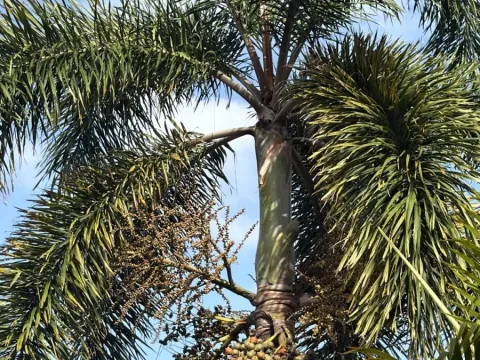
Wodyetia
Wodyetia
Wodyetia, commonly known as the foxtail palm, is a member of the Arecaceae family. This species is native to the Cape York Peninsula in Queensland, Australia, where it naturally inhabits rocky and well-drained terrain.
What the section contains

Wodyetia
The plant thrives in tropical and subtropical climates, requiring significant warmth for optimal growth. It is intolerant of frost and cold temperatures, which can severely damage the foliage and disrupt its physiological functions.
Successful cultivation of Wodyetia requires a well-draining soil medium. The plant is sensitive to waterlogged conditions; therefore, incorporating sand or perlite into the growing substrate is essential to prevent root asphyxiation.
Light requirements for this species are high. It performs best in full sunlight, which encourages the development of its dense, plumose leaflets. Insufficient light levels can lead to stunted growth and a loss of the palm's characteristic vibrant color.
Nutritional management involves regular fertilization, specifically targeting nitrogen, potassium, and magnesium. Proper nutrient ratios are vital to prevent yellowing of the leaflets, a common issue in palms grown in containers or restricted areas.
The primary threats to Wodyetia include root and crown rot, which are often consequences of over-irrigation. Proper moisture control is the most effective preventative measure against these aggressive fungal pathogens.
Pests such as mealybugs, scales, and spider mites can infest the foliage, particularly in greenhouse or indoor environments with low airflow. Regular monitoring and integrated pest management strategies are recommended.
Leaf spot diseases caused by fungi can occur under conditions of high humidity and poor ventilation. Keeping the canopy dry and ensuring adequate spacing between plants is critical to minimize the spread of spores.
Nutrient deficiencies, specifically boron and magnesium, can result in malformed or discolored leaves. Implementing a specialized fertilization program will address these physiological disorders and improve overall plant health.
Mechanical damage to the roots during transplantation is a significant risk factor. Care should be taken to preserve the integrity of the root ball to reduce transplant shock and allow the palm to re-establish successfully.