
Windmill palm
Trachycarpus latisectus
Description
Growing requirements
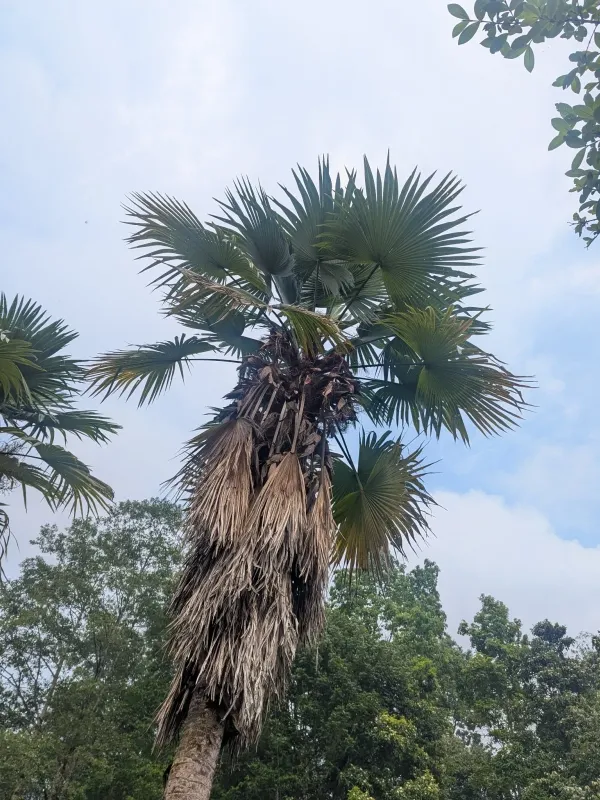
The Trachycarpus latisectus, often referred to as a species of windmill palm, is a member of the Arecaceae family. It originates from the high-altitude forests of Arunachal Pradesh, India, making it a unique species adapted to cool, humid mountain environments.
This palm species thrives in temperate climates. While it displays notable cold hardiness compared to tropical palms, it performs best in regions where the soil does not freeze deeply and where it is shielded from harsh, drying winter winds.
Soil requirements for this palm include a well-draining, nutrient-rich medium. It prefers slightly acidic to neutral soils; however, it can adapt to various soil types provided that the water-holding capacity is balanced with proper drainage.
Regarding light, this palm enjoys filtered sunlight but can tolerate full sun once established. In its juvenile stage, protection from direct, intense sunlight is recommended to prevent leaf scorching and to ensure steady growth.
Proper agro-technical management involves consistent irrigation, ensuring the root ball remains moist but never waterlogged. Fertilization during the active growing season with slow-release granular palm fertilizer is essential for optimal vigor.
Main diseases and pests
The primary threats to this palm involve fungal pathogens that thrive in damp, stagnant environments. Root rot is a common issue often caused by improper drainage or excessive mulching close to the trunk.
Insect pests such as scale insects and mealybugs are known to infest the foliage and petioles. These pests extract sap, leading to yellowing leaves and reduced overall health if not treated promptly with horticultural oils or insecticides.
Spider mites are a significant problem in environments with low humidity or poor airflow. They typically colonize the underside of leaves, causing a stippled appearance and eventual leaf drop if left unchecked.
The palm is also susceptible to leaf spot diseases in wet, humid conditions. These are managed through improved canopy ventilation and the targeted application of fungicides.
Maintaining a clean growing area and performing careful pruning of dead fronds helps reduce the potential habitat for pests. Hygiene in the garden is a crucial component of integrated pest management for this species.