
Welfia alfredii
Welfia alfredii
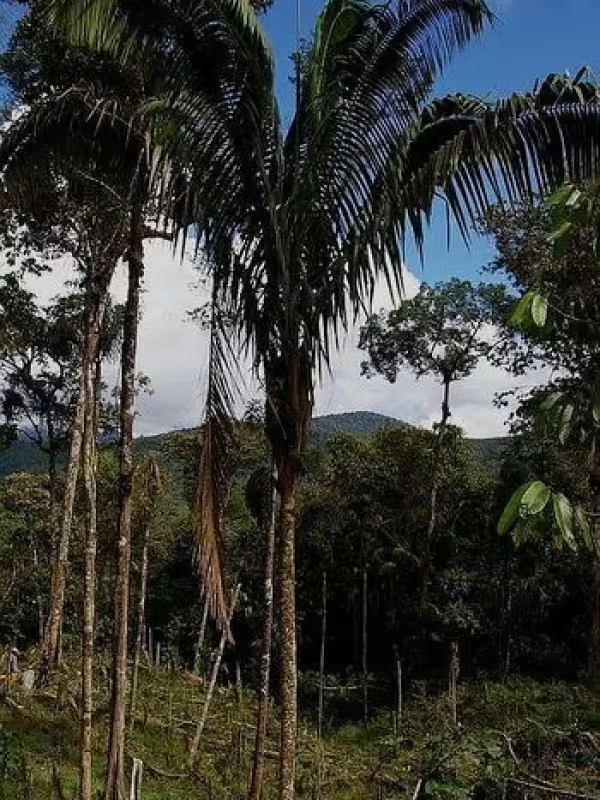
Description
Growing requirements
Welfia alfredii is a distinctive species within the Arecaceae family, native to the tropical rainforests of Central and South America, where it thrives in sheltered, humid environments.
This palm is characterized by its tall, slender trunk and large, pinnate leaves that can reach significant lengths, making it a highly sought-after plant for tropical botanical collections.
It requires a consistent tropical climate with high humidity and protection from cold winds, as the species is not frost-tolerant and prefers stable, warm temperatures year-round.
Soil requirements involve a deep, well-draining substrate rich in organic matter to mimic the natural forest floor conditions where the palm originates.
Regular fertilization with a balanced, slow-release palm fertilizer is essential to sustain its vigorous growth rate and maintain the vibrant green color of its foliage.
Main diseases and pests
The primary threats to Welfia alfredii involve soil-borne fungal pathogens which become prevalent in waterlogged or poorly aerated soil conditions.
Pests such as scale insects and spider mites are common problems, especially when the palm is grown in confined environments or where humidity levels are erratic.
Prevention is centered on maintaining proper air circulation around the canopy and ensuring that the irrigation frequency matches the plant's transpiration rate.
Regular physical removal of debris from the crown is necessary to prevent the accumulation of moisture, which is a major precursor for crown rot diseases.
Integrated pest management strategies, including the use of horticultural oils or systemic insecticides, are recommended to protect the integrity of the palm's foliage.