
Zombia
Zombia
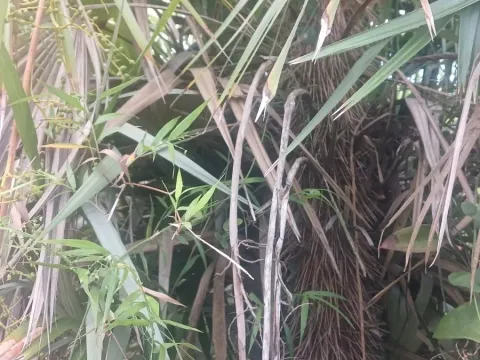
Zombia is a monotypic genus of flowering plants in the palm family, Arecaceae. Its only species, Zombia antillarum, is native to the island of Hispaniola (Haiti and the Dominican Republic).
What the section contains

Zombia
The plant is scientifically recognized for its unique, spiny trunk, which is covered in long, needle-like structures that are actually persistent leaf sheaths.
Zombia thrives in dry, rocky, and calcareous soil conditions. In its native habitat, it occupies hillsides where moisture drainage is excellent, preventing any root rot issues.
To cultivate Zombia successfully, one must mimic its arid tropical environment: bright, direct sunlight is essential for healthy development, while irrigation should be kept to a minimum.
The plant grows very slowly, making it a collector's item rather than a common agricultural crop, though it is highly valued in tropical landscape design for its architectural silhouette.
The primary threat to Zombia in cultivation is root rot, which typically stems from overwatering or utilizing dense soil mixtures that retain excessive moisture for long periods.
Pests such as mealybugs, scale insects, and spider mites are frequent invaders, particularly in greenhouse settings where air circulation may be limited.
Nutrient deficiencies, particularly involving micronutrients like magnesium or manganese, can result in leaf chlorosis, which compromises the plant's aesthetic value and long-term vitality.
Proactive monitoring of the foliage and root zone is vital; early intervention with appropriate horticultural oils or systemic insecticides can prevent severe infestations.
Ensuring proper drainage and providing sufficient spacing between plants helps to reduce the risk of fungal infections that thrive in stagnant, humid air environments.