
Trithrinax brasiliensis
Trithrinax brasiliensis
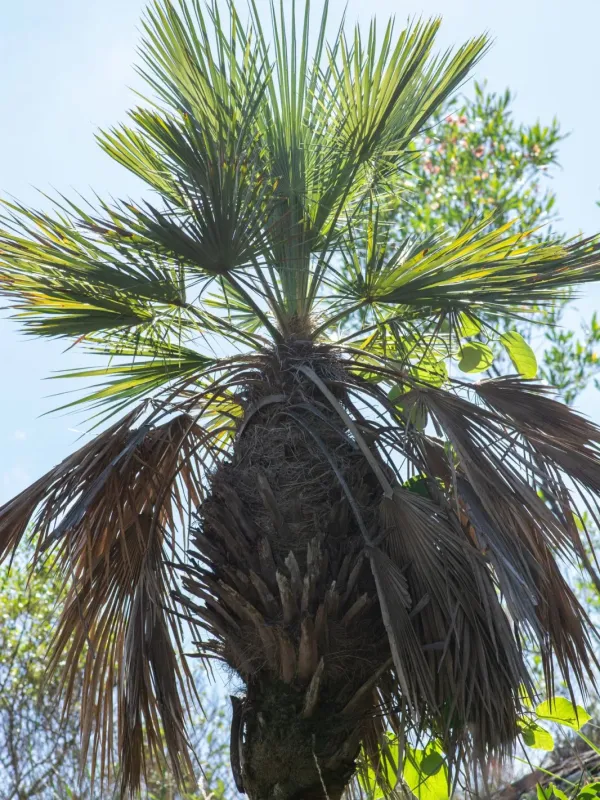
Description
Growing requirements
Trithrinax brasiliensis is a distinctive fan palm belonging to the Arecaceae family. Native to the southern regions of Brazil and parts of Uruguay, this species has evolved to thrive in open, sun-drenched landscapes and naturally occurring woodlands.
The plant is biologically characterized by a solitary or clustering trunk covered in thick, persistent leaf bases and sharp, needle-like spines. These physical features provide the plant with significant natural defense mechanisms and a striking aesthetic structure.
For successful cultivation, Trithrinax brasiliensis requires a well-drained, porous soil composition. Sandy or loamy soils are ideal, as they prevent the risk of waterlogging, which is critical given the plant's sensitivity to root rot.
Climate requirements for this culture are centered on abundant sunshine and tolerance to varying temperature ranges. While it is considered relatively cold-hardy for a palm, it performs best in regions where it receives maximum light exposure during its growth cycles.
Agricultural and landscape utility is primarily decorative. Due to its slow growth rate and high resistance to environmental stressors, it serves as a long-term architectural element in xeriscaping projects and arid climate botanical collections.
Main diseases and pests
The primary threats to Trithrinax brasiliensis involve fungal pathogens, often triggered by stagnant moisture and excessive soil humidity. Root decay is the most significant concern if irrigation schedules are not strictly monitored.
Common insect pests include spider mites and scale insects, which frequently infest the palm when ambient humidity is insufficient. These pests can rapidly compromise the health of the foliage if left uncontrolled.
Preventive pest management relies heavily on good sanitation practices and maintaining adequate airflow around the plant's canopy. Regular inspections of the foliage are recommended to identify early signs of infestation.
Nutrient deficiencies, specifically magnesium or potassium shortages, can lead to foliage discoloration or chlorosis. Implementing a balanced, palm-specific fertilization program during the active growth season is essential for long-term plant health.
Overall, Trithrinax brasiliensis is a robust plant if its basic requirements for drainage and light are satisfied. By avoiding over-irrigation and maintaining soil health, growers can effectively mitigate the majority of biological threats.