
Needle palm
Rhapidophyllum hystrix
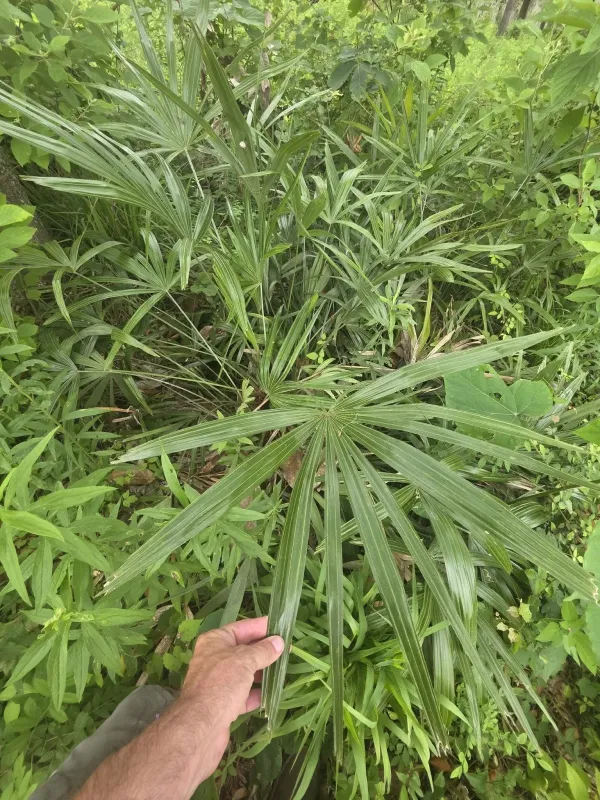
Description
Sowing dates
The needle palm is typically propagated by seeds, which require immediate sowing after maturation as they rapidly lose their viability in storage.
Seeds should be planted in a well-draining medium consisting of peat moss and perlite to maintain the consistent moisture required for germination.
The germination process is notably slow and inconsistent, often taking several months, which necessitates maintaining a stable temperature around 25°C.
Seedlings develop very slowly and require a stable environment with diffused light to avoid stress during their early growth stages.
Transplanting seedlings should be done with extreme care to avoid damaging the sensitive root system, which is common in many palm species.
Growing requirements
Belonging to the Arecaceae family, the needle palm is renowned for being one of the most cold-hardy palms globally, thriving in USDA zones 6b through 10.
This species prefers rich, moist, and well-drained soil, mimicking the conditions of the riverbanks and forested floodplains of its native southeastern United States.
While tolerant of shade, the plant performs best in locations with partial shade, protecting its foliage from harsh afternoon sunlight.
Consistent moisture is vital for the needle palm; regular irrigation during dry spells ensures vigorous growth and maintains the plant's aesthetic appeal.
Mulching the root zone with organic material helps stabilize soil moisture and protects the roots from extreme temperature fluctuations during winter.
Main diseases and pests
The needle palm is generally resistant to many pests, but it may be susceptible to root rot if the soil remains waterlogged for extended periods.
Insects such as scales and spider mites can occasionally affect the plant, particularly if it is kept in an environment with poor air circulation.
Leaf spot diseases may occur in overly humid conditions, which can be mitigated by ensuring proper spacing and good ventilation between individual plants.
Maintaining a clean growing area by removing decaying foliage is an effective cultural practice to prevent the buildup of pathogens.
Although physically protected by its sharp needles, the plant must be inspected regularly to detect early signs of physiological stress or infestations.