
Iguanura geonomiformis
Iguanura geonomiformis
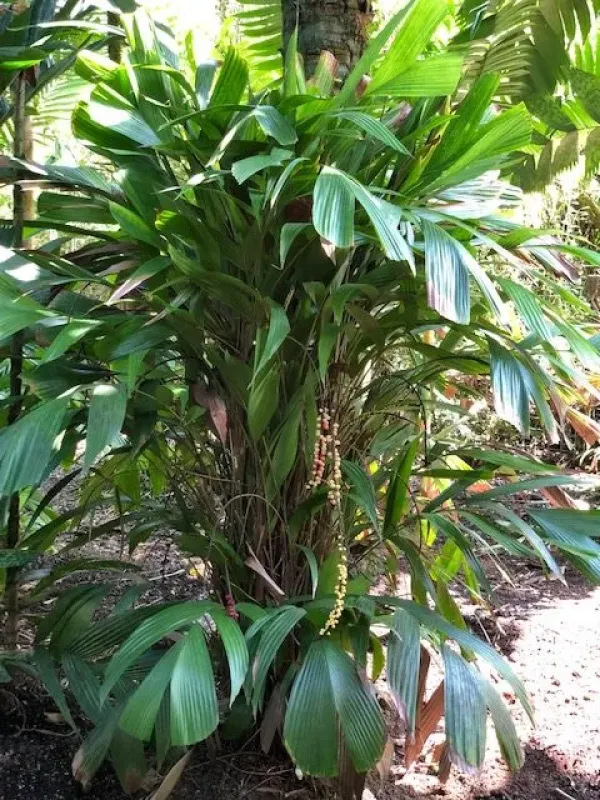
Description
Growing requirements
Iguanura geonomiformis is a rare, understory palm species belonging to the Arecaceae family. Originating from the humid rainforests of the Malay Peninsula, it is highly valued for its elegant, deeply divided fronds and compact growth habit.
The cultural requirements for this plant focus on replicating its natural forest habitat. It thrives in shaded environments, requiring indirect, filtered light. Exposure to direct sun will cause severe leaf scorch and dehydration, which the plant may not recover from.
Soil management is essential for the survival of this species. A well-draining, peat-based mix is ideal, as it must retain moisture while allowing excess water to pass through. Waterlogging is detrimental and will rapidly lead to root decay.
Climatic conditions should remain warm and humid at all times. A temperature range between 22°C and 28°C is optimal, and humidity levels must be consistently high, preferably above 70 percent, to maintain the health of the foliage.
Due to its slow growth rate, the plant is primarily cultivated as a high-end ornamental specimen in botanical collections. Proper care includes regular monitoring of soil moisture and the avoidance of any cold drafts, which the plant finds particularly stressful.
Main diseases and pests
Root rot caused by stagnant water is the primary threat to Iguanura geonomiformis. Once the root system is compromised, the plant exhibits symptoms like wilting and browning leaf tips, which often signals advanced stages of infection.
Pests such as spider mites are common in indoor settings, especially during winter months when indoor heating lowers ambient humidity. These pests suck nutrients from the leaves, leaving them discolored and prone to further decline.
Scale insects present another significant risk. These pests hide in leaf axils and along the stalks, making them difficult to spot in the early stages of infestation. Regular inspection is necessary to keep the plant free from these insects.
Nutrient deficiencies, particularly involving magnesium and iron, can occur if the soil pH is not maintained within the slightly acidic range. This leads to interveinal chlorosis, which diminishes the plant's aesthetic appeal.
Implementing a strict hygiene routine is essential for long-term health. Using sterilized tools, ensuring proper spacing between plants to improve airflow, and using balanced, slow-release fertilizers can significantly reduce the pressure from common diseases.