
Iguanura polymorpha
Iguanura polymorpha
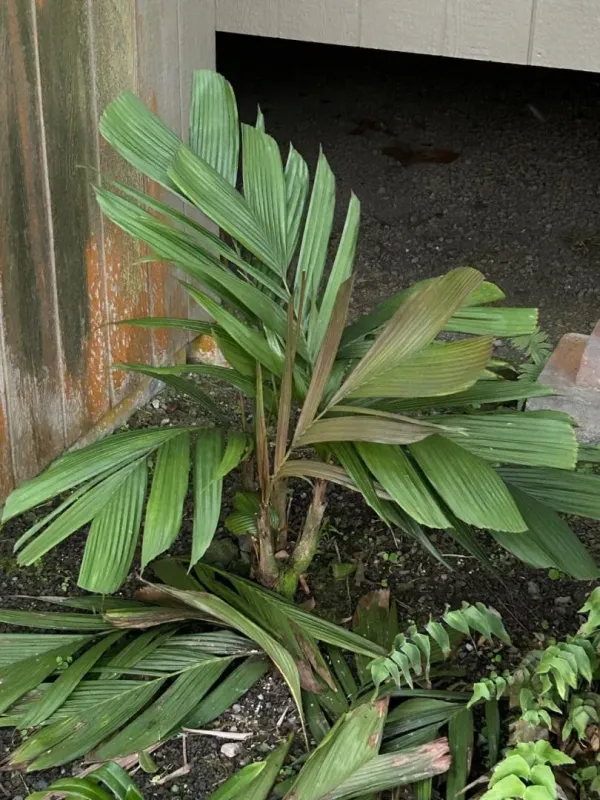
Description
Sowing dates
Iguanura polymorpha, a member of the Arecaceae family, is a distinct palm species known for its variable leaf morphology. In cultivation, propagation is strictly achieved via seeds under controlled nursery conditions.
Seed germination requires high humidity and constant bottom heat ranging from 25 to 28 degrees Celsius. The use of a sterile, well-draining peat-based medium is essential for success.
Sowing should be performed during the active growing season to ensure that young seedlings benefit from increasing light levels and stable temperature conditions.
Since the germination process is often protracted, patience and rigorous monitoring of moisture levels are necessary to prevent the seeds from drying out or rotting.
Once the seedlings establish a stable root system, they must be transplanted into individual containers. Careful handling is required to avoid damaging the sensitive roots of the young palm.
Growing requirements
This palm species thrives in conditions mirroring its native tropical habitats in Southeast Asia, demanding consistently high ambient humidity levels exceeding 70 percent.
Iguanura polymorpha is a shade-loving plant. Exposure to direct sunlight must be strictly avoided, as it causes rapid desiccation and scorching of the foliage.
A well-aerated, slightly acidic soil mixture is ideal. The substrate must retain moisture without becoming waterlogged, as poor drainage is the primary cause of decline in this species.
Temperature management is critical; the plant should be kept in a climate-controlled space where temperatures remain between 20 and 26 degrees Celsius year-round.
Regular application of a balanced, weak liquid fertilizer during the growth phase supports leaf development. However, excessive salt accumulation must be prevented through periodic leaching of the substrate.
Main diseases and pests
Common horticultural pests, particularly spider mites and scale insects, pose a significant threat to Iguanura polymorpha when grown in indoor or greenhouse settings.
Fungal root rots, such as those caused by Phytophthora species, often occur when the potting mix remains saturated for extended periods, especially during cooler months.
Foliar diseases, appearing as brown spots or yellowing, are typically symptoms of environmental stress, poor ventilation, or the presence of opportunistic pathogenic fungi.
Integrated pest management, including regular inspection and maintaining optimal air circulation, is the most effective approach to preserving the health of the plant.
In cases of severe infestation, targeted horticultural oil or mild systemic insecticides may be used, though care must be taken due to the plant's sensitivity to synthetic chemicals.