
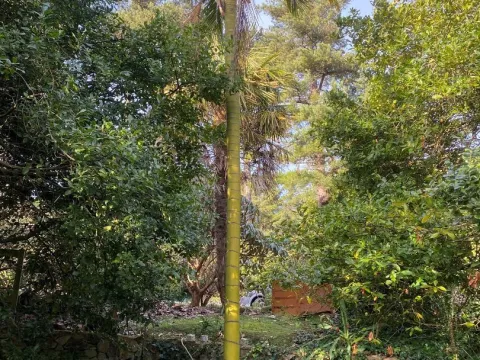
Juania
Juania
Juania (Juania australis) is a monotypic genus belonging to the palm family Arecaceae. It is a highly localized endemic species, naturally occurring solely on Robinson Crusoe Island in the Juan Fernández archipelago of Chile.
What the section contains

Juania
This palm is characterized by a slender, solitary trunk and graceful, arching pinnate leaves. It thrives in high-altitude cool, cloud-forest environments, which makes it one of the most challenging palm species to cultivate in garden settings.
Optimal growth requires a cool climate with high humidity and consistent moisture. In cultivation, it is essential to keep the roots cool while ensuring excellent drainage to prevent asphyxiation of the root system.
The ideal substrate should be rich in organic matter but well-aerated. A mixture containing coarse pumice, peat, and leaf mold is typically recommended to mimic the nutrient-dense forest floor of its native habitat.
The culture is extremely sensitive to heat and direct scorching sun. In non-native environments, it is exclusively grown in sheltered conservatories or specialized greenhouses that provide filtered light and constant air circulation.
The primary threats to Juania australis in cultivation are root pathogens such as Phytophthora, which thrive in poorly drained, soggy soil. Strict irrigation management is vital to avoid fatal root rot.
Common indoor pests including spider mites and scale insects are frequent issues. These pests exploit the plant when humidity levels drop or when air circulation is inadequate, leading to foliage damage.
In the wild, the species is considered vulnerable due to competition from invasive non-native plants and herbivory by introduced animals such as goats, which significantly impede natural regeneration.
Climatic instability in managed collections, particularly spikes in temperature, can lead to severe physiological stress. Such stress weakens the palm, making it susceptible to opportunistic secondary infections.
Maintaining high hygiene standards in the growing area is crucial. Removing dead leaves and avoiding over-crowding helps reduce the risk of localized disease outbreaks among exotic palm collections.