
Hydriastele ramsayi
Hydriastele ramsayi
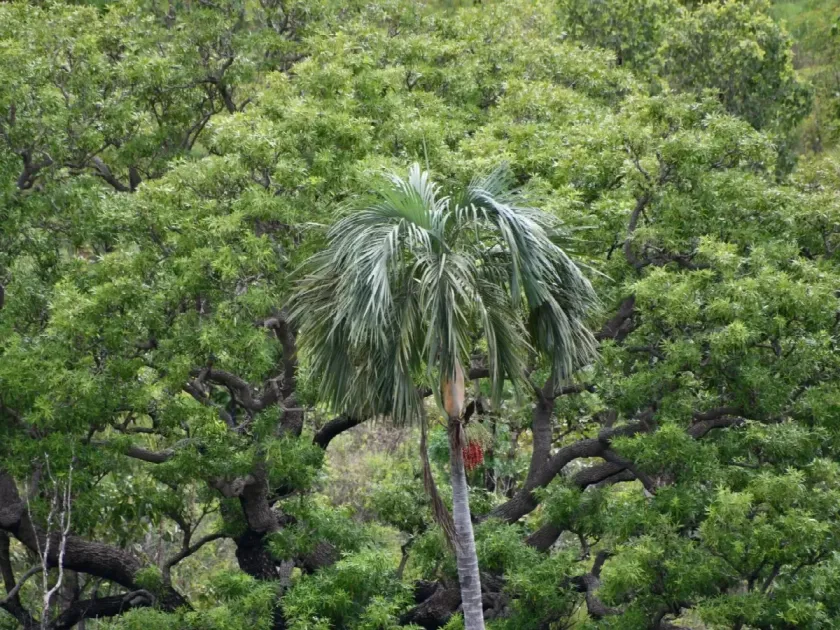
Description
Growing requirements
Hydriastele ramsayi is a striking palm species belonging to the Arecaceae family. Native to the tropical rainforests of Australia, it is prized for its elegant growth habit and lush foliage.
This palm thrives in high-humidity tropical environments and requires consistently warm temperatures. The ideal soil profile for this species is nutrient-rich, organic, and fast-draining to prevent waterlogging.
In cultivation, consistent moisture is key to the health of the plant. However, growers must ensure that the growing medium does not become saturated, as the roots are highly susceptible to rot.
The plant prefers bright, indirect light. Direct sunlight, especially in mid-afternoon, can scorch the leaves and significantly reduce the aesthetic value of the palm.
Standard horticultural practices for this species include regular fertilization during the growing season with a balanced, slow-release fertilizer. It is also important to maintain adequate air circulation around the canopy.
Main diseases and pests
Fungal pathogens are the most common threats to Hydriastele ramsayi, particularly those that manifest as leaf spots or root rot when soil drainage is poor or humidity levels are uncontrolled.
Pest pressures primarily include common houseplant invaders such as spider mites, mealybugs, and scale insects. These pests often exploit stressed plants kept in low-humidity indoor environments.
Integrated pest management is recommended, starting with visual inspections of the undersides of the leaves, where pests typically gather to feed on the sap.
If chemical intervention is required, neem oil or mild insecticidal soaps are usually sufficient to control initial infestations without harming the plant's delicate tissues.
Maintaining a clean and hygienic growing environment, removing dead fronds, and ensuring proper spacing between plants are the best preventative measures against disease outbreaks.