
Hydriastele wendlandiana
Hydriastele wendlandiana
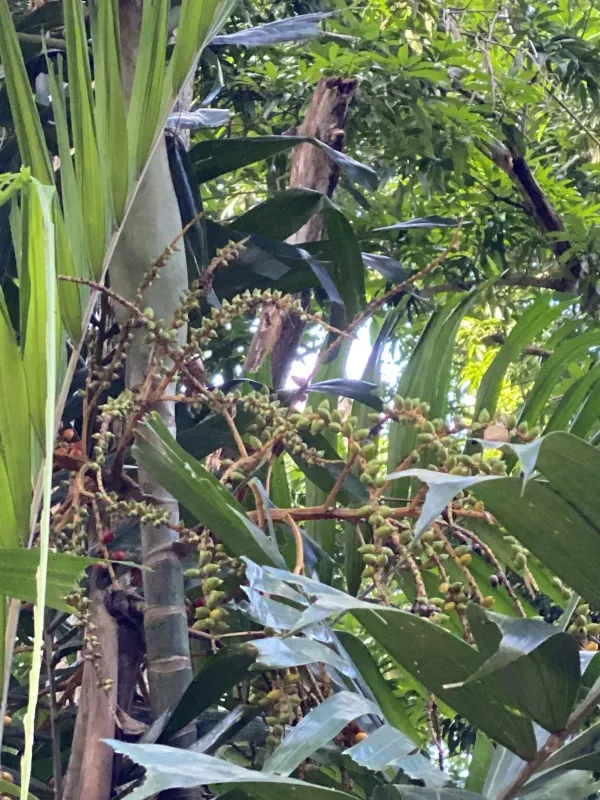
Description
Growing requirements
Hydriastele wendlandiana belongs to the Arecaceae family and is a distinctive tropical palm native to the rainforests of New Guinea and nearby islands. In its natural habitat, it thrives in environments characterized by high air humidity and consistently warm temperatures throughout the year.
The plant features a solitary stem that can grow to significant heights, complemented by pinnate, elegantly arching bright green leaves. These botanical characteristics make it a highly sought-after species for landscape architecture in tropical regions.
For successful cultivation, the plant requires well-drained, fertile soils rich in organic matter. Maintaining constant soil moisture is critical, yet growers must ensure proper drainage to prevent waterlogging, which often leads to root rot.
This species is highly sensitive to cold temperatures and cannot survive frost, limiting its cultivation to strictly tropical and subtropical climates. Ideal conditions involve protection from direct, intense sunlight, especially during the early stages of growth.
In terms of economic use, the culture is primarily valued as an ornamental plant. It is frequently employed in the development of botanical gardens, parks, and high-end conservatory settings where specific microclimatic conditions can be controlled.
Main diseases and pests
The primary threats to the health of Hydriastele wendlandiana include fungal diseases, which often arise from improper watering regimes or stagnant air conditions.
Regarding pests, spider mites and mealybugs represent the most significant dangers, as they tend to flourish in environments with low humidity levels.
Regular preventive inspections of the leaf blades and the base of the stem allow for the early detection of insect colonies and the mitigation of potential spread.
To combat infestations, it is recommended to use specialized insecticides and fungicides that are formulated for safe use on ornamental palms.
Adopting sound agronomic practices, such as maintaining leaf cleanliness and ensuring adequate spacing between individual plants, helps minimize the risk of pest and disease outbreaks.