
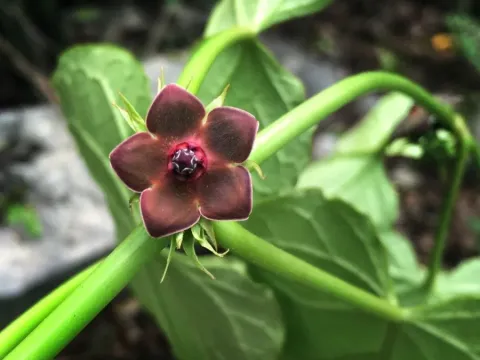
Suberogerens
Suberogerens
Sowing of Suberogerens should occur once soil temperatures stabilize above 10–12 degrees Celsius in early to mid-spring.
What the section contains

Suberogerens
Timing the sowing correctly is vital to ensure that the crop benefits from post-winter moisture, which is essential for rapid germination.
Seeds must be placed at a depth of 3–5 centimeters to establish a strong root system and ensure consistent emergence across the field.
Standardized plant spacing is highly recommended to optimize light interception and airflow between individual plants.
Using precision sowing equipment minimizes seed waste and promotes a uniform stand, which is crucial for mechanical operations.
Suberogerens thrives in well-drained loam soils with a neutral pH level for optimal nutrient availability.
The crop requires full sun exposure; therefore, fields must be free of shadows from nearby structures or forest belts.
Regular aeration of the topsoil via mechanical cultivation is necessary to maintain root health and prevent soil compaction.
Consistent and controlled irrigation is preferred over heavy, infrequent watering to keep the root zone in an ideal condition.
Balanced fertilization, particularly with potassium and phosphorus, should be applied during critical growth stages to support development.
Yield potential of Suberogerens is heavily dependent on precise adherence to recommended agricultural practices throughout the growth cycle.
High-intensity management can significantly increase the total biomass yield per hectare compared to traditional methods.
Proper nutrient management ensures that the crop reaches its physiological potential and improves overall consistency of produce.
Monitoring regional weather conditions is essential as it dictates the efficiency of water use and nutrient uptake by the plants.
Investing in high-quality certified seeds is the foundational step toward achieving superior yields and profitability.
Fungal pathogens represent a major threat, particularly in soils with poor drainage or during extended periods of high humidity.
Insect pests can cause damage during the early developmental phases, necessitating careful field monitoring and early intervention.
Integrated Pest Management (IPM) strategies are recommended to maintain ecological balance and reduce reliance on chemical sprays.
Early identification of diseased foliage or root symptoms allows farmers to contain potential outbreaks before they become widespread.
Effective crop rotation practices reduce the accumulation of soil-borne diseases, making the environment less favorable for common pests.
Harvesting should be conducted when plants reach physiological maturity, identified by the natural senescence of the vegetation.
Modern harvesting machinery must be correctly calibrated to ensure minimal mechanical damage to the harvested material.
Post-harvest handling, including cleaning and proper drying, is crucial to prevent quality degradation during storage.
Storing the produce in facilities with humidity and temperature controls ensures that the product remains viable for long periods.
Timely harvest decisions are critical to maximizing the chemical and nutritional value of the final agricultural product.