
Swallow-wort
Vincetoxicum hirundinaria
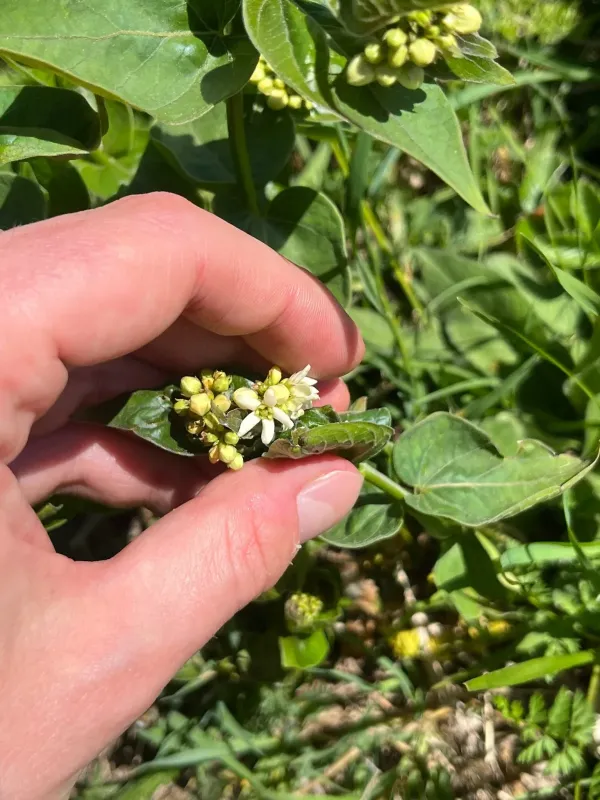
Description
Sowing dates
Swallow-wort (Vincetoxicum hirundinaria), belonging to the Apocynaceae family, is typically propagated through seeds or via the division of rhizomes.
Sowing seeds directly into the field is best performed during the late autumn, allowing for natural winter stratification which increases germination rates.
For spring sowing, seeds must undergo cold stratification at low temperatures for 30 to 60 days to break dormancy effectively.
The seeds are small and should be sown at a shallow depth of approximately 1 to 2 centimeters to ensure adequate light exposure for sprouting.
Optimal row spacing should be maintained between 45 and 60 centimeters to facilitate mechanical weeding and crop maintenance.
Growing requirements
This crop thrives in well-lit areas, although it demonstrates a high tolerance for partial shade conditions in temperate climates.
Swallow-wort prefers light, well-drained, and lime-rich soils, showing poor performance in heavy or waterlogged clay environments.
The plant is noted for its exceptional drought resistance, which makes it a sustainable choice for regions with limited precipitation.
Effective air circulation is essential for the health of the plant, as stagnant air can encourage the development of fungal pathogens.
While not heavily dependent on high fertilizer rates, the plant benefits from a moderate supply of nutrients during the initial growth stages.
Yield
Commercial production focuses on extracting active chemical compounds from the herb or root system for medicinal and industrial purposes.
Average yield for the aerial parts (the herb) can reach 1.5 to 2 tons per hectare of dried matter under optimal management conditions.
Rhizome harvesting is typically planned for the third or fourth year, as root biomass and concentration of alkaloids peak during this maturity phase.
Yield stability is dependent on proper plant density, ensuring that individual specimens have enough space to develop a robust root system.
Total yield is also influenced by the quality of the post-harvest processing, particularly the efficiency of cleaning and drying the roots.
Main diseases and pests
The crop is susceptible to various fungal diseases, especially when grown in environments with poor soil drainage and high ambient humidity.
Pests such as spider mites may infest the leaves during hot, dry summer spells, causing chlorosis and a decrease in photosynthetic activity.
Root rot remains the most critical threat to the plantation, often leading to rapid decline if the soil remains saturated for prolonged periods.
Herbivory by certain butterfly larvae is possible, though it rarely reaches levels requiring chemical intervention in healthy plantations.
Preventative measures include crop rotation and ensuring that soil preparation prevents the accumulation of excess moisture in the root zone.
Harvesting
The aerial parts are harvested during the peak flowering season, which ensures the highest concentration of bioactive compounds in the biomass.
Cutting should be performed at a height of about 5 to 10 centimeters above the ground to minimize damage to the root crown.
Rhizomes are harvested during the autumn, once the plant has redirected its energy from the aerial parts back to the subterranean storage organs.
Immediately after digging, the roots must be thoroughly washed in cold water to remove soil particles and debris prior to processing.
Drying must occur at temperatures not exceeding 45 degrees Celsius to prevent the degradation of thermolabile medicinal components.