
Suberogerens cyclophylla
Suberogerens cyclophylla
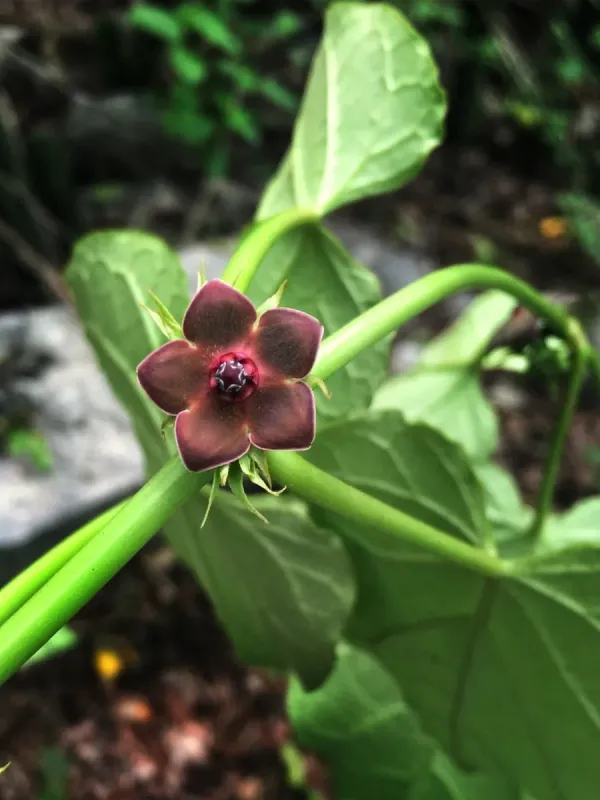
Description
Sowing dates
The sowing of Suberogerens cyclophylla begins when the soil temperature consistently reaches 12–15 degrees Celsius. This timing ensures rapid germination and minimizes the risk of early cold shock.
Seeds are placed at a depth of 3 to 5 centimeters, depending on the moisture level and soil texture. Proper placement is essential for ensuring that the seedling can emerge without depleting its energy reserves.
Row planting with spacing of about 45 cm is recommended to provide sufficient room for development. This layout also facilitates mechanical weeding and allows for better air circulation between the plants.
Post-seeding compaction is a vital step in the process. By ensuring firm contact between the seed and the soil, capillary action is improved, which accelerates the absorption of moisture by the seed.
For regions with shorter growing seasons, temporary protection using high-quality mulch or covers can be employed. This practice effectively warms the seedbed and encourages earlier growth stages.
Growing requirements
This crop thrives in well-drained, fertile soils rich in organic matter. Loamy soils with high porosity are preferred, as they prevent waterlogging and facilitate healthy root system penetration.
A soil pH between 6.0 and 7.0 is considered optimal for the nutrient uptake of Suberogerens cyclophylla. Lime amendments may be required if the soil is found to be significantly acidic.
Suberogerens cyclophylla requires full sun exposure to maximize photosynthetic output. Locations that are shaded by structures or trees should be avoided to prevent leggy growth and low yields.
Consistent moisture management is necessary during the vegetative growth period. While the plant needs regular irrigation, excessive water can cause hypoxia in the root zone, leading to rapid decay.
A balanced nutrient supply, particularly focusing on nitrogen for initial growth and phosphorus for root health, is crucial. Routine soil testing helps in developing an efficient fertilization schedule.
Yield
Achieving high yields with Suberogerens cyclophylla requires strict adherence to agronomic practices throughout the season. Proper fertilization and pest control are the main drivers of crop productivity.
Typical yields under optimal management reach 25–30 metric tons per hectare. However, intensive farming techniques and favorable climate conditions can push these numbers even higher.
Weed management remains the most significant variable in yield stability. By eliminating competition for water and nutrients early in the season, the crop can focus all energy on biomass development.
Proactive monitoring of plant health is necessary to ensure that leaf area is preserved until harvest. A healthy canopy is directly proportional to the accumulation of harvestable weight.
Varietal selection plays a significant role in determining final yields. Agronomists often recommend choosing hybrids that have been tested and proven for regional climatic suitability.
Main diseases and pests
The plant is susceptible to various fungal leaf spots that spread rapidly in humid conditions. Using resistant varieties and maintaining proper spacing are the primary preventative measures.
Aphids are the most common insect pests that impact Suberogerens cyclophylla. They sap energy from the plant and are often vectors for viral diseases, necessitating early detection and treatment.
Soil-borne pests like wireworms pose a threat during the germination phase. Treating seeds with authorized systemic insecticides can significantly reduce damage to young root systems.
Powdery mildew may occur when humidity levels are high and airflow is restricted within the crop canopy. Good cultural practices, such as proper irrigation, can help mitigate this risk.
An integrated pest management (IPM) approach is highly recommended. This strategy reduces chemical dependence while maintaining a healthy crop environment throughout the entire cycle.
Harvesting
Harvesting should occur once the plant has reached its peak stage of technical maturity. Measuring the density of the product is the most reliable way to determine if it is ready for collection.
Efficient harvest operations utilize machinery calibrated to reduce bruising or mechanical damage. Gentle handling ensures that the produce maintains its aesthetic and structural integrity.
Post-harvest cleaning involves removing field debris and sorting the produce based on quality standards. This process ensures that only high-quality items are sent to storage or distribution.
Storage facilities should be kept cool and ventilated, with humidity levels maintained at approximately 80–85 percent. These conditions are ideal for preventing loss and maintaining product freshness.
Transportation logistics must be carefully planned to prevent damage to the cargo. Utilizing specialized containers helps maintain airflow and ensures the product arrives in pristine condition.