
Strophanthus gratus
Strophanthus gratus
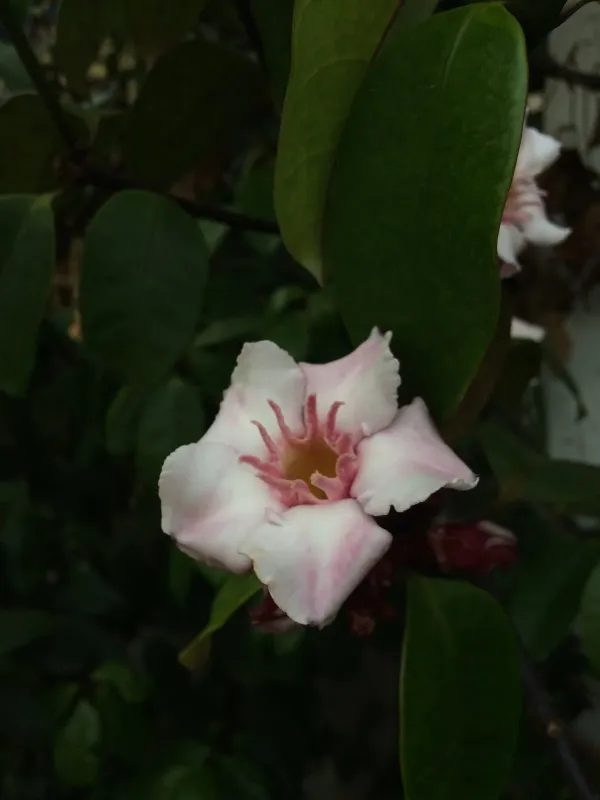
Description
Growing requirements
Strophanthus gratus is a woody vine belonging to the Apocynaceae family. Native to the tropical regions of West and Central Africa, it thrives in environments characterized by high humidity, consistent warmth, and fertile, well-draining soils.
The plant requires a strictly tropical climate, with optimal growth occurring at temperatures between 22°C and 28°C. Being sensitive to cold, it cannot survive frost, meaning that in non-tropical regions, it must be grown in specialized greenhouses or controlled conservatory environments.
Soil requirements involve a nutrient-rich substrate with a slightly acidic to neutral pH. Proper drainage is the most critical factor, as stagnant water around the roots quickly leads to root rot, which is often fatal for the vine in indoor settings.
Light management is essential; while the plant enjoys bright, indirect sunlight, direct intense rays can scorch the leaves. Proper light levels are correlated with the frequency of flowering and the overall chemical potency of the seeds.
Regular maintenance includes climbing supports to accommodate the plant's vigorous growth habit. Nutrient management should focus on balanced NPK applications, particularly emphasizing potassium to support the metabolic production of medicinal compounds during the vegetative phase.
Main diseases and pests
Common pests include spider mites and scale insects, which often proliferate in the dry air of greenhouses. Integrated pest management using biological controls or mild systemic insecticides is typically employed to keep populations under control.
Fungal pathogens such as root rot and leaf spots are prevalent if the humidity is too high and airflow is poor. Improving ventilation and maintaining a strict watering schedule are the primary methods for preventing these fungal outbreaks.
Powdery mildew may occur on the foliage during periods of low light and poor air circulation. Effective management requires applying sulfur-based fungicides and ensuring that the foliage is kept dry, particularly during night hours.
Viruses are rare but can be transmitted through pruning tools. Therefore, sanitizing all equipment between plants is a mandatory protocol in professional production to prevent the potential spread of pathogens throughout the nursery.
All parts of Strophanthus gratus contain potent cardiac glycosides. Workers must wear protective gear during all handling, as the plant sap and seeds pose significant toxicity risks to humans if accidentally ingested or absorbed through skin abrasions.
Harvesting
The harvesting process focuses on the mature seed pods, which contain high concentrations of strophanthin. Pods are ready for harvest once the outer hull turns dark brown and begins to dry naturally while still attached to the vine.
Because the plant continues to produce flowers and pods throughout the growing season, harvesting is a staggered process. Each pod must be inspected individually for ripeness to ensure that the chemical profile of the seeds is at its peak.
After collection, the seeds are extracted, cleaned, and dried in a temperature-controlled environment. Moisture content must be reduced significantly to ensure stability and to prevent the growth of storage molds or the breakdown of active chemical compounds.
Storage requires cool, dry conditions in airtight containers. Given the high toxicity of the seeds, they must be stored separately and clearly labeled to comply with pharmaceutical safety standards and local agricultural regulations.
Post-harvest, the vines require a period of rest and sanitation. Pruning damaged or unproductive stems not only maintains the vigor of the plant for future seasons but also keeps the canopy open to allow for better light penetration and airflow.