
Strophanthus petersianus
Strophanthus petersianus
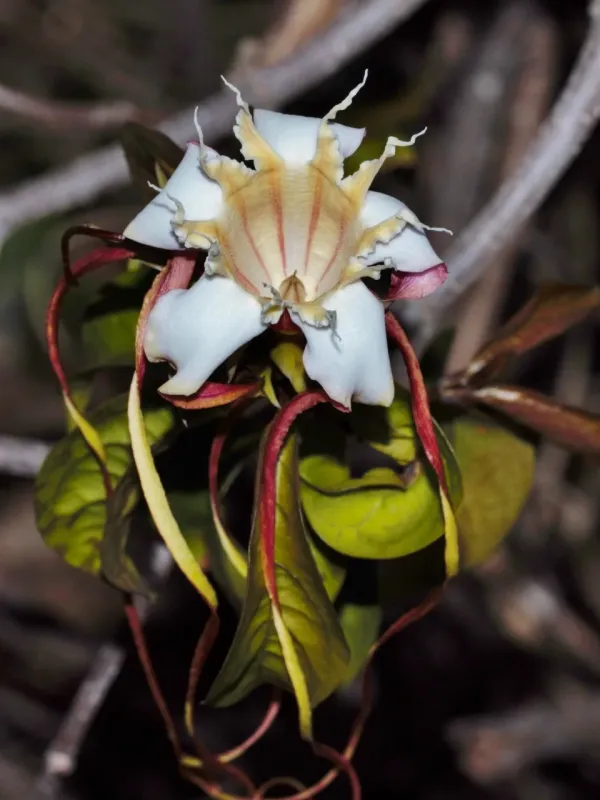
Description
Growing requirements
Strophanthus petersianus is a woody perennial plant belonging to the Apocynaceae family. Native to tropical regions of East Africa, this species is highly valued for its biochemical properties, specifically its content of cardiac glycosides used in pharmaceutical applications.
The plant thrives in warm, tropical climates and requires consistent temperatures, ideally between 22°C and 30°C. It is intolerant of frost, which can cause irreversible damage to its vascular system and significantly halt development or lead to plant mortality.
For optimal growth, Strophanthus petersianus requires well-draining, nutrient-rich soils with a slightly acidic to neutral pH. Sandy loam or loamy soils that provide good aeration are preferred, as the root system is susceptible to rot in waterlogged conditions.
Adequate sunlight is essential for photosynthesis and the successful accumulation of active secondary metabolites. While the plant can tolerate partial shade in its juvenile phase, mature plants require full sun to reach maximum productivity.
Agricultural management includes a balanced irrigation schedule. During the growing season, consistent moisture is necessary, but the soil must be allowed to dry slightly between waterings to prevent the development of root-borne pathogens.
Yield
The economic value of Strophanthus petersianus is centered on the harvest of its seeds. Productive yields typically begin after the plants reach the age of three to five years, requiring patience and sustained management of the plantation.
Harvesting efficiency is improved by selecting cultivars with uniform pod maturation. The pods are typically collected by hand as they begin to open naturally, signaling that the seeds have reached their peak biological maturity.
Post-harvest processing involves drying the seeds in controlled conditions to preserve the integrity of the active glycosides. Proper storage is crucial to maintain quality and prevent degradation caused by moisture or temperature fluctuations.
Yield metrics can be significantly enhanced through systematic pruning, which shapes the canopy for better fruit distribution and easier manual access during harvest. This practice helps to maximize the output per hectare by reducing plant density competition.
Ongoing research aims to optimize yield through better fertilization practices, specifically focusing on micro-nutrient delivery. Maintaining soil fertility ensures that the plants remain vigorous and capable of sustaining heavy fruiting loads over several seasons.
Main diseases and pests
Fungal diseases, particularly root rot, represent the most significant threat to Strophanthus petersianus plantations. These pathogens flourish in stagnant water conditions and high humidity, making soil drainage a top priority for agronomists.
Pest management focuses on controlling sucking insects, such as aphids and spider mites, which can strip foliage and weaken the plant. Regular monitoring is essential to detect pest outbreaks before they lead to severe physiological stress.
Integrated pest management (IPM) strategies, including the introduction of beneficial predatory insects and the use of eco-friendly biological agents, are preferred to maintain the quality of the harvested medical material.
Sanitation practices are vital, including the removal and destruction of diseased plant debris from the site to prevent the spread of infections. Cleanliness within the rows promotes better airflow and minimizes the favorable conditions for disease spread.
Maintaining a proactive monitoring program allows for early detection of potential threats. When chemical intervention is necessary, application should be carefully timed to ensure that no residues contaminate the seeds, as this would diminish their pharmaceutical grade.